Category: Training Tips

Timing, consistency, using markers, reading dog body language

  • Make Yourself Matter to Your Dog: Small Daily Shifts That Build Real Focus & Connection

    Make Yourself Matter to Your Dog: Small Daily Shifts That Build Real Focus & Connection

    Practical insights from K9 Advantage Dog Training | Real training for real dogs

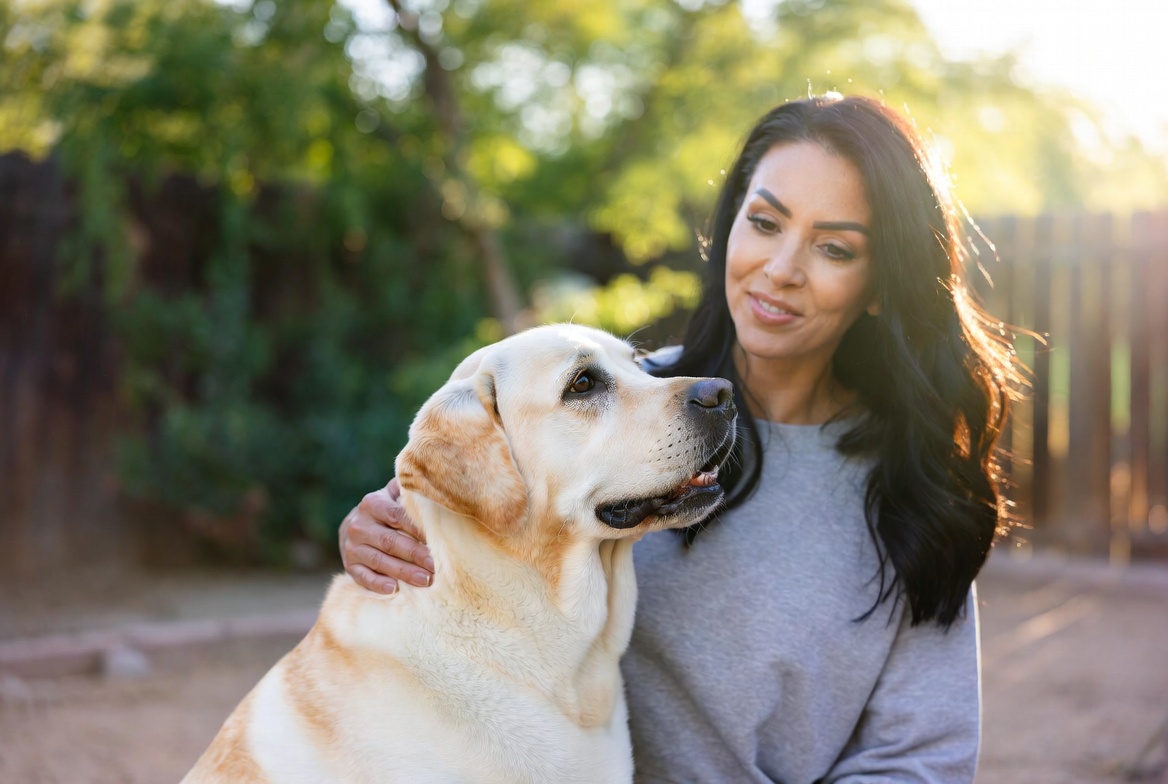
    Moments of calm connection like this are where real leadership and focus begin.

    Have you ever called your dog’s name on a walk and felt like they didn’t even hear you? Or watched them pull ahead, completely tuned out, nose to the ground like you’re just along for the ride? It’s a tough feeling. You start to wonder if your dog really cares about you at all.

    The honest truth is, in that moment and in that environment, you probably don’t matter as much to them as you’d like. Not because they don’t love you — most dogs do, in their own way. But because they haven’t yet learned that you are the most important, reliable thing in their world. Learning to make yourself matter to your dog is the foundation for better focus, reliable recall, and a deeper bond. Some dogs struggle more with focus, especially if no one has shown them why they should bother tuning in. If you want a dog that comes when called no matter what’s happening, or one that actually stays close instead of wandering off, you need to become someone who truly matters to them — not just the treat dispenser or the one who opens the door when they want out.

    A big excited greeting when you come home feels good, but it doesn’t mean you’re their priority when distractions hit. If your dog only checks in when there’s nothing more interesting going on, it’s a sign that the leadership and structure in your relationship needs some attention.

    The Good News: Small Changes, Big Shifts

    The encouraging part? You can turn this around. And it often starts with surprisingly simple adjustments to everyday routines — how you feed your dog, how you give attention, and how you set up their resting places and daily patterns. These aren’t complicated training drills. They’re about building what we call Learn to Earn into daily life, combined with smart Canine Environmental Management. When you do this consistently, you step into the role of calm leader. Your dog starts looking to you for direction instead of treating you like background noise.

    I’ve seen this happen time and again over more than forty years of working with dogs and their owners. Dogs that used to ignore recalls or bolt on walks become focused partners once their people bring quiet leadership and structure into the ordinary moments. It’s not magic, and it doesn’t require being harsh. It just takes consistency and the right approach.

    Start With These Everyday Moments

    Mealtimes are one of the easiest places to begin. Instead of just filling the bowl and setting it down while your dog bounces around, ask for a calm sit or down first. Let them earn their meal through polite behavior. It takes almost no extra time, but it teaches impulse control and shows your dog that good things come from checking in with you. Do this at every meal, and you’ll notice their focus on you getting stronger in other situations too.

    Attention works the same way. When your dog jumps, pushes, or demands pets, don’t reward the pushiness by giving in. Wait for calm behavior or quietly cue a sit. Then offer the affection freely. You’re teaching them that respectful connection with you is how they get what they want. Over time, this makes you more valuable in their eyes than whatever else is happening around them.

    Resting places and daily routines matter more than most people realize. Part of good Canine Environmental Management is giving your dog clear expectations and safe, calm spaces — a designated bed or crate area, consistent rules around doors and furniture, predictable patterns for meals, walks, and downtime. When the environment supports calm behavior, your dog has less reason to go looking for their own entertainment or make their own decisions. They start turning to you instead.

    What This Looks Like in Real Life

    These small shifts add up fast. I’ve worked with dogs who were completely checked out on walks — pulling, ignoring their person, living in their own world. Once the owner started using mealtimes, greetings, and simple structure to build leadership, everything changed. The same dog that used to wander off started checking in, waiting at doors, and actually looking back for direction. The owner went from feeling invisible to having a dog that genuinely cared what they had to say.

    Another dog I saw had no interest in staying close or coming when called. After the owner committed to consistent, calm leadership in daily routines — no big dramatic training sessions, just steady structure — the dog began offering focus naturally. Recall improved because the dog wanted to be connected to their person, not because they were being forced.

    The Mindset That Makes It Work

    This isn’t about being the ‘boss’ or using force. It’s about being the calm, clear, consistent leader your dog needs to feel secure. Dogs are incredibly tuned in to our energy and consistency. When your expectations are fair and predictable, and your energy stays steady even when things go sideways, your dog relaxes into following you. That’s when you truly start to matter — not just when the yard is boring, but when the world is full of distractions. For more on why your mindset as a leader matters even more than specific techniques, see our related post here.

    Stay patient with yourself and your dog. Celebrate small wins. If something isn’t working, adjust rather than getting frustrated. Real change comes from repetition and showing up the same way every day. The bond you build this way runs deeper than treats or excitement. It’s built on trust.

    You Can Do This

    If your dog seems to ignore you or wander off, don’t take it as a personal failing. It just means the leadership and focus piece needs a little more intention. Start with one or two of these changes this week — maybe mealtimes and how you handle attention. Keep it simple. Stay consistent. You’ll be surprised how quickly your dog begins to tune in and how much more connected your walks and daily life feel.

    Your dog doesn’t need you to be perfect. They need you to show up as their steady leader. When you do, coming when called and staying close stops being a battle and starts feeling natural. That’s the kind of relationship that makes sharing your life with a dog so rewarding.

    — K9 Advantage Dog Training | Practical leadership for real dogs and the people who love them | Serving Bullhead City, Kingman, Lake Havasu City & Mohave County, AZ
  • Should I Train My Dog? Any Training Is Better Than None – Start Today

    Should I Train My Dog? Any Training Is Better Than None – Start Today

    You love your dog. That much is obvious. But have you ever stopped and asked yourself why train your dog, or if your pup is doing “just fine” without it? The honest answer is that training your dog is one of the most valuable things you can do for both of you. Dogs thrive when they’re learning, and the time you spend together providing gentle direction and leadership builds something deeper than obedience. It builds trust, confidence, and a relationship that makes everyday life better.

    Here’s the reality most people don’t realize: only a small percentage of dog owners ever sign up for formal obedience classes—somewhere around 4 to 8 percent depending on the survey. Yet the majority of us, often 70 to 94 percent, do at least some training at home. That gap tells us something important. Most owners sense that training helps, even if they keep it casual. Still, many continue to wonder why train your dog if things feel mostly fine. The encouraging part? You don’t need to be perfect or professional to make a real difference. Any training is better than none.

    The options are wider than most people think, and you get to choose what fits your dog’s personality and your own life.

    For everyday life, foundational training makes the biggest immediate impact. Teaching basic obedience—sit, stay, come when called—gives your dog clear expectations and keeps everyone safer. Loose-leash walking turns stressful drags into pleasant strolls you both enjoy. If you have a puppy, adding some focused socialization and habituation helps them grow into a confident adult instead of one who reacts to every new sight or sound. These simple skills alone are a powerful reason why train your dog.

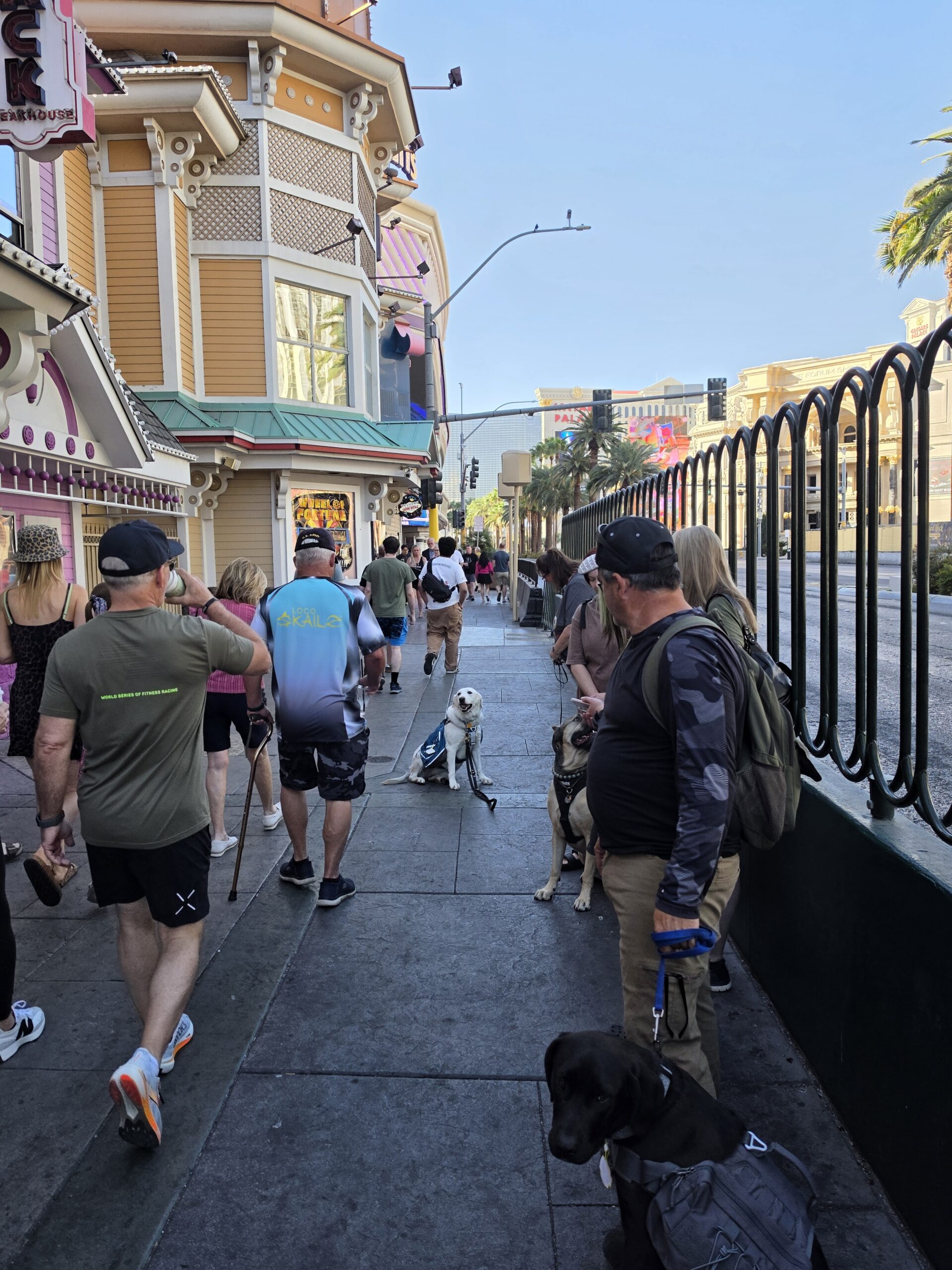
    Pack walks are another trend that’s gaining real popularity. These organized group walks with other dogs and owners are a fantastic way to practice leash manners, work on socialization, and build confidence in a supportive environment. There’s likely already a group in your area if you look around – they’re becoming more common everywhere.

    If your interests lean toward more meaningful work, there are paths like service dog training, where dogs learn to assist with mobility, medical alerts, or other support roles. Search and rescue training is another powerful option—dogs and handlers working as a team to find missing people in wilderness or disaster situations. These aren’t just jobs; they’re deep partnerships built on trust and purpose.

    For pure fun and fitness, dog sports open up a whole world. Agility training—with tunnels, jumps, and weave poles—creates incredible teamwork and burns off energy in the best way. Dock diving lets your dog launch off a dock into water for distance or height. It’s joyful, athletic, and something you can do together for years.

    And when it comes to the “how,” you’ve got options too. Group classes offer structure and the chance to practice around other dogs. Private lessons give you focused help on specific issues. Or you can go the self-directed route with good books, videos, or apps and work at your own pace—plenty of owners get excellent results this way, especially when they combine it with occasional professional guidance.

    What matters most isn’t which path you pick. It’s that you’re spending consistent time with your dog, showing up as a calm leader, and giving them the chance to succeed. I’ve seen the changes up close. The bond grows stronger. Trust goes both ways. Behaviors that used to frustrate you start to improve. And because your dog is more reliable and pleasant to be around, you naturally include them in more of your life—weekend adventures, trips, even simple evenings out. A well-trained dog opens doors. Understanding why train your dog becomes clear when you experience these everyday improvements. A happier dog and a happier owner usually follow.

    The truth is simple: dogs that get some training, even informal, tend to do better. Dogs that get consistent, positive guidance flourish. Inconsistent or incomplete training can lead to confusion and problems down the road, but the fix isn’t complicated. It starts with deciding to begin. Once you truly understand why train your dog, taking that first step becomes much easier.

    If you haven’t started yet, now is the time. Pick one thing that interests you—maybe those basic commands, joining a local pack walk, or a fun sport like agility. Find a local trainer you like, grab a well-regarded book, join a club, or try a solid online program. Even ten minutes a day adds up fast. Your dog is ready. The relationship you build through training is one of the most rewarding parts of sharing life with a dog.

    Don’t wait for the perfect moment or the perfect method. Start today. If you’ve ever questioned why train your dog, the answer is right in front of you: any training beats none, and the two of you deserve the connection and adventures that come with it.

  • Socializing Your Dog the Right Way

    Socializing Your Dog the Right Way

    You’re out walking, and another dog appears. Your dog lunges, barks, or tries to hide. A stranger reaches to pet them, and your dog backs away or stiffens. These reactions are common, and they often stem from how socialization was handled — or wasn’t handled at all.

    True socialization isn’t about exposing your dog to as many things as possible. It’s about helping them learn that the world is manageable, that they can stay calm, and that they can look to you for guidance when things feel new or exciting.

    Done well, socialization builds confident dogs who handle everyday life without constant stress. Done poorly or skipped, it often leads to reactivity, fear, or shutdown behaviors that make walks and outings difficult.

    Here’s what effective socialization actually involves:

    Controlled, gradual exposure. Start at a level your dog can handle successfully. Increase difficulty slowly — more distance first, then closer; shorter sessions that end on a good note. The goal is for the dog to learn “this is okay” rather than being flooded with too much at once.

    Pay attention to body language. Learn to read the early signals: lip licking, yawning, tucked tail, stiff posture, whale eye. These tell you when your dog is reaching their limit. Respecting those signals prevents the creation of negative associations and builds trust.

    Strong leadership from you, Dogs do best when they trust their handler is in control. Calm, consistent energy and clear direction help lower your dog’s stress. When your dog looks to you in moments of uncertainty, it changes everything.

    Management and impulse control. Preventing unwanted rehearsals is key. Use distance, leashes, and structure to set your dog up for success as you teach better responses. Dogs with good impulse control and clear expectations handle social situations much more easily than those who rely on constant management or treats to get through them.

    Real-world practice in structured, safe, organized environments where dogs can practice focus and calm behavior around other dogs and people is incredibly valuable. This kind of controlled exposure builds real confidence that carries over into daily life.

    These principles work for puppies during their early developmental window and for adult dogs who need to build better coping skills. Many behavioral issues that appear later in life trace back to gaps in socialization or experiences that fostered fear rather than confidence. For a deeper look at why early structure matters, read The Power of Prevention in Puppy Training.

    The payoff is significant: calmer walks, less reactivity, easier vet and grooming visits, and a dog who enjoys life more instead of living in a constant state of alert or avoidance.

    If your dog struggles with other dogs, new people, or novel environments, our Socialization training, Drop-In Classes, and Private In-Home Sessions can help build confidence in a structured way. You can also contact K9 Advantage to talk through what your dog is struggling with.

  • Why Your Mindset Matters More Than Training Techniques

    Why Your Mindset Matters More Than Training Techniques

    When people ask me about dog training, they often want to know the best techniques or tools to use. While techniques matter, I’ve found that your mindset as an owner has a much bigger impact on your dog’s behavior than any specific method.

    Dogs are incredibly good at reading us. They notice when we’re inconsistent, unsure, or sending mixed signals. A dog doesn’t need perfect training methods — they need a leader who is calm, clear, and consistent.

    One of the biggest shifts I see in owners who get great results is when they stop viewing training as something they do to their dog and start seeing it as something they do with their dog. Training becomes part of daily life rather than a separate activity that only happens during formal sessions.

    Consistency is one of the most important parts of a strong owner mindset. Dogs thrive when they receive clear and consistent messages about what is expected of them. If jumping on people is okay sometimes but not others, your dog becomes confused. When the rules are the same every day — whether you’re tired, busy, or have company over — your dog learns faster and feels more secure.

    Another key part of the right mindset is taking responsibility for your dog’s environment. Many behavior issues aren’t really training problems — they’re management problems. If your dog is constantly practicing unwanted behaviors because they have too much freedom, no amount of training will fix it until the management improves. Good owners understand that they control the environment, and the environment shapes the dog.

    Patience and realistic expectations also matter. Dogs don’t learn through frustration or anger. When we stay calm even when our dog makes a mistake, we set a better example and create a safer learning environment. Progress takes time, especially with behavior problems that have been practiced for months or years.

    Finally, the best owners I work with understand that training is ongoing. It’s not something you finish after a few classes. It’s a lifestyle of clear communication, fair expectations, and continued leadership. The dogs that turn out the best usually have owners who are willing to keep showing up consistently, even when it’s inconvenient.

    Your dog is always learning — whether you’re actively training or not. The question is: what are they learning from you?

    When you adopt the mindset that you are responsible for setting your dog up for success through clear leadership and thoughtful management, everything else becomes easier. Techniques are helpful, but your mindset is what makes them work. If you want help applying that mindset at home, explore our Private In-Home Sessions or visit the full Services page.

  • The Doorway Mistake Almost Every Dog Owner Makes (And How to Fix It Fast)

    The Doorway Mistake Almost Every Dog Owner Makes (And How to Fix It Fast)

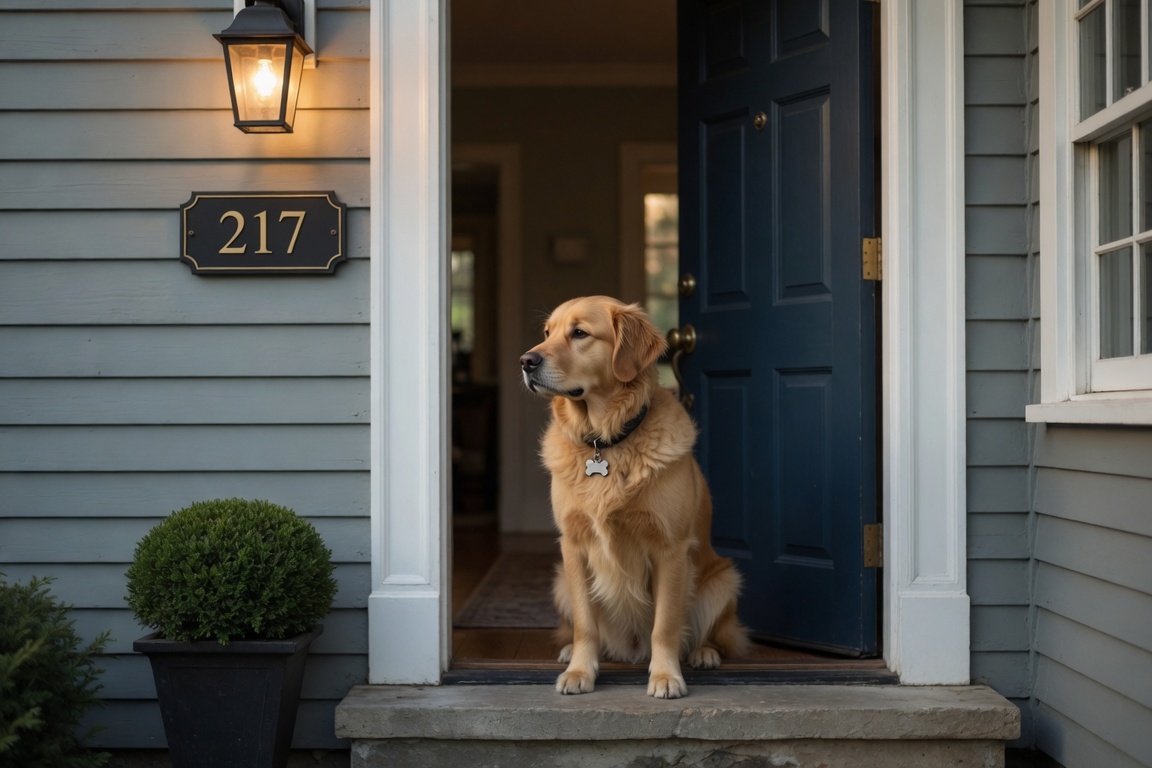
    If I had a nickel for every client who’s said, “He’s great in the backyard, but the second that front door opens, he turns into a different dog,” I’d be retired by now.

    The truth? Your dog isn’t stubborn or “forgetting” training. They’re doing exactly what the environment has taught them works. At most doors and gates, that lesson is simple: excitement and forward motion get results.

    That’s the doorway mistake — and it’s why solid obedience often collapses in real life.

    Why Thresholds Matter

    A threshold is any boundary your dog crosses to reach something they want — outside, a guest, the car, or even out of the crate. These are the highest-impulse moments of the day. When we let charging, pulling, or barking happen there, we’re not just allowing bad behavior. We’re rehearsing it, over and over.

    We’re also quietly telling our dog that they control access to the good stuff, not us. That undermines calm leadership faster than almost anything else.

    This is why Canine Environmental Management sits at the heart of everything we do at K9 Advantage. It’s not about drilling commands in a vacuum. It’s about thoughtfully arranging daily life — especially these transition points — so the right choice becomes the easiest one. For more perspective on everyday dog behavior and owner guidance, visit Welcome To Dog Sense For Your Life.

    The Threshold Ritual

    Here’s the practical fix. It takes almost no extra time once it becomes habit, and it works with your dog’s psychology instead of against it.

    • Leash goes on calmly. No big excited energy from you.
    • Your dog offers a sit or calm stand before the door opens.
    • Crack the door or gate. The instant they surge or get wound up, close it calmly and reset. No yelling, no corrections — just clear information.
    • Only open fully and release them (“Let’s go” or “Free”) when they hold position with a relaxed body and focus on you.

    Be boringly consistent. Most dogs start offering calm behavior on their own once they learn composure is the fastest way to the fun outside.

    This isn’t just a fancier sit. It builds real impulse control and uses access to the environment itself as the reinforcer, so the lesson sticks without relying on treats or force.

    The Ripple Effect

    Once this ritual is non-negotiable, benefits spread fast. Walks calm down, greetings improve, and reactivity often drops because your dog practices self-control daily instead of rehearsing chaos. Leadership feels clearer because the environment now supports it.

    This is dog psychology working for you: structure makes the wise choice the easy one.

    Start This Week

    Choose one threshold (front door is ideal) and do the ritual for seven straight days. Most owners notice real shifts in focus and calmness within a week.

    If you’re facing reactivity, barking, jumping, or want rock-solid real-world manners, we handle that at K9 Advantage through Private In-Home Sessions, Drop-In Classes, and support for Guest Manners — practical tools that last.

    Need Help Fast?

    Your dog isn’t the problem. The environment needs smarter design. You can change it.

    Call or text (928) 897-9494 or contact K9 Advantage for a free consultation.

    Roy Hayes has trained dogs and people since 1986. K9 Advantage delivers psychology-based tools for lasting results.