

Category: Behavior Problems

Reactivity, aggression, barking, anxiety, resource guarding

  • The Power of Prevention in Puppy Training

    The Power of Prevention in Puppy Training

    How to Prevent Puppy Behavior Problems with “Learn to Earn”

    One of the most effective ways to prevent puppy behavior problems is through what I call “Learn to Earn.”

    From the very beginning, teach your puppy that good things in life — food, attention, play, and freedom — come through calm, polite behavior. This simple mindset shift helps puppies develop impulse control naturally.

    They quickly learn that sitting politely gets them what they want. Jumping, barking, or pushing does not.

    Use Management to Stop Problems Before They Start

    Management plays a huge role in prevention.

    Using baby gates, crates, and leashes inside the house limits your puppy’s ability to practice unwanted behaviors. The less a puppy practices jumping on people or chewing furniture, the less likely those behaviors become habits.

    Good management doesn’t restrict your puppy forever. It simply prevents rehearsal of the wrong behaviors while you teach the right ones.

    Socialization That Actually Prevents Fear and Reactivity

    Socialization is another critical part of prevention.

    Exposing your puppy to a wide variety of people, places, sounds, and surfaces in a positive way helps prevent fear and reactivity later in life. However, this must be done thoughtfully.

    It’s not about overwhelming your puppy. It’s about creating positive, calm experiences that build confidence.

    The Biggest Mistake Most New Puppy Owners Make

    Many owners make the mistake of being too lenient in the beginning because “they’re just puppies.”

    While patience is important, allowing certain behaviors now because they seem cute often creates problems later. A jumping puppy becomes a jumping adult. A puppy that gets away with nipping often becomes a dog that uses its mouth to get what it wants.

    Prevention Is Smarter Than Correction

    The good news is that prevention doesn’t have to be complicated. It mostly comes down to being consistent, setting clear expectations, and managing your puppy’s environment so they can succeed.

    When you invest time and effort upfront, you create a solid foundation that makes training much easier as your dog grows.

    A well-managed puppy with clear structure usually grows into a well-mannered adult dog. Prevention isn’t about being strict. It’s about being smart.

    If you want help getting started on the right foot, our Private In-Home Sessions and Board & Train programs can help you build the right foundation early.

  • Consistent Feeding: The Simple Structure That Builds a Calmer, More Focused Dog

    Consistent Feeding: The Simple Structure That Builds a Calmer, More Focused Dog

    Picture this: Your dog starts pacing, whining, or staring you down 20–30 minutes before “dinner time” — except dinner time changes every day depending on your schedule. Or the bowl sits out all day and your dog grazes whenever they feel like it, leading to constant begging, unpredictable potty habits, or even tension when you walk near the bowl.

    This isn’t just “how your dog is.” It’s the direct result of inconsistent feeding — and it’s one of the easiest, highest-impact changes you can make.

    At K9 Advantage, we teach that dogs are products of their environment — and you control that environment. Consistent feeding is one of the most powerful ways to give your dog the structure, predictability, and calm leadership they need to thrive.

    Why Consistent Feeding Matters More Than Most Owners Realize

    Dogs are creatures of habit. When meals arrive at the same times every single day, several powerful things happen:

    • Predictability lowers stress. Uncertainty creates anxiety. A dog who knows exactly when food is coming relaxes. That calm baseline carries into walks, training, and daily life.
    • It supercharges house training and potty reliability. When you control when food goes in, you know when it needs to come out. Puppies and adult dogs alike become far more predictable — and accidents drop dramatically.
    • Digestion and overall health improve. Irregular meals can contribute to upset stomachs, poor nutrient absorption, and even increase bloat risk in some breeds. Consistent timing helps regulate the entire digestive system.
    • Weight management becomes simple. Free-feeding or grazing almost always leads to overeating. Scheduled, measured meals let you control portions and keep your dog at a healthy weight.
    • Impulse control and leadership are built at every meal. Mealtime stops being a free-for-all and becomes a structured interaction. Your dog learns to wait calmly, look to you, and earn their meal through composure. This is “Learn to Earn” in its simplest, most practical form — no treats required.

    When you control the when, where, and how of feeding, you’re not just feeding your dog. You’re training them.

    How to Implement Consistent Feeding (The Right Way)

    1. Pick two set times and protect them. For most adult dogs, morning and evening at the exact same times — weekends included. Your dog’s internal clock will adjust quickly, and so will their behavior.
    2. Use the same location every time. Same spot, same bowl, same setup. This builds ritual and reduces excitement or guarding that can appear when everything changes.
    3. Create a calm pre-meal ritual. Before the bowl goes down, have your dog sit or wait in a composed state (whatever matches their current level). Only release them to eat when they’re calm. This single habit teaches patience and reinforces that you control the resources.
    4. Measure every meal. Use a cup or scale. Eyeballing leads to inconsistency in calories and weight. Adjust portions based on your dog’s age, activity level, and your vet’s guidance — but keep the process consistent.
    5. No free-feeding or leaving food out. Pick up the bowl after 10–15 minutes if it’s not finished. Grazing removes structure and often creates picky eaters or constant “I’m hungry” behaviors.
    6. Link it to potty time. Right after eating, take your dog out. This creates a clean, repeatable chain: eat → potty → calm. It’s one of the simplest ways to accelerate house training.

    The Ripple Effect You’ll Notice

    Once consistent feeding is locked in, the benefits spread. Your dog becomes more focused during training. Walks feel calmer because the overall structure of their day is solid. Begging and pushy mealtime behaviors fade. Many owners also report that other reactivity or anxiety issues improve simply because the environment feels more predictable and safe under their leadership.

    This isn’t about being rigid. It’s about giving your dog what they actually need: clear expectations, reliable leadership, and a calm environment you create.

    Start Today

    Pick your two feeding times, commit to them this week, and watch what happens. You’ll be amazed how one simple, consistent habit shifts the entire tone of your relationship with your dog.

    This kind of practical, structure-first approach is the foundation of everything we teach at K9 Advantage — from our training services to Private In-Home Sessions and Board & Train.

    Your dog doesn’t need more chaos. They need a calm, consistent leader who controls the environment.

    You’ve got this. Start with the bowl — and the rest starts falling into place.

  • 5 Common Dog Behavior Problems Arizona Owners Can Start Fixing Today

    5 Common Dog Behavior Problems Arizona Owners Can Start Fixing Today

    Better Behavior Starts at Home

    Life with a dog should feel rewarding, not stressful. At K9 Advantage, we help Arizona dog owners address everyday behavior problems with practical training, clear communication, and strategies that create calmer homes and stronger bonds.

    Whether your dog pulls on the leash, jumps on guests, ignores cues, or struggles with overstimulation, progress often begins with a few consistent changes. Here are five common issues we see and what owners can do to start improving them. If you have a young dog, The Power of Prevention in Puppy Training explains how early structure can prevent many of these issues from taking hold.

    1. Pulling on the Leash

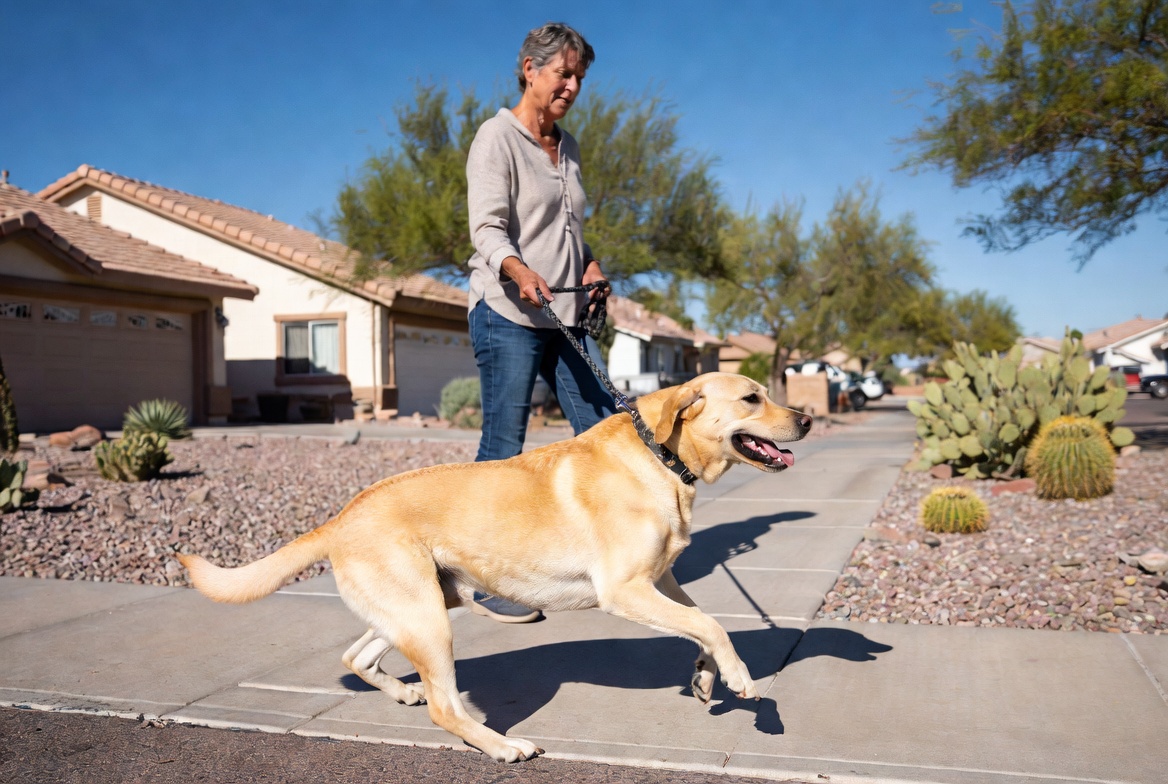
    Leash pulling turns walks into a battle and can make daily exercise frustrating. Dogs often pull because they have learned that tension still gets them where they want to go.

    • Reward your dog for walking near you before the leash gets tight.
    • Pause or change direction when pulling starts.
    • Keep sessions short so your dog can succeed.

    Consistent leash walking training helps dogs understand that calm movement earns forward progress.

    2. Jumping on Guests

    Jumping is often driven by excitement, but it can quickly become overwhelming for visitors and family members. The key is teaching an incompatible behavior your dog can perform instead.

    • Practice greetings before guests arrive.
    • Reward four paws on the floor or a sit.
    • Ask everyone to respond consistently so the dog gets a clear message.

    For dogs that struggle with visitors, our Guest Manners training gives owners a practical plan.

    3. Not Listening at Home

    Many owners say their dog knows commands but does not respond when it matters. In many cases, the issue is not stubbornness. It is a lack of reliable practice in real-life situations.

    Dogs learn best when expectations are clear, rewards are timely, and skills are practiced in the environments where they are actually needed.

    Obedience Training becomes more effective when owners build repetition into daily routines instead of only practicing during formal sessions.

    4. Overstimulation and Poor Household Manners

    Some dogs struggle not because they are unwilling, but because their environment makes success difficult. This is where Canine Environmental Management becomes especially valuable.

    • Use gates, crates, place beds, and structured routines to reduce chaos.
    • Set up the home so your dog can make better choices more easily.
    • Pair management with training so good habits become more reliable over time.

    Thoughtful management helps prevent rehearsal of unwanted behavior while giving both dogs and owners a clearer path forward.

    5. Behavior Problems That Keep Getting Worse

    Barking, reactivity, door rushing, and other persistent issues rarely improve by accident. Early support can make a major difference, especially when training is tailored to the dog, the home, and the owner’s goals.

    Private In-Home Sessions can uncover triggers, improve consistency, and create a realistic plan that fits everyday life in Arizona households.

    Why Owners Choose K9 Advantage

    K9 Advantage brings decades of experience helping dog owners solve behavior problems, improve obedience, and build stronger relationships with their dogs. Our approach is practical, supportive, and focused on results owners can use in real life.

    If you are ready for calmer walks, better manners, and more confidence at home, professional guidance can help you get there faster.

    Take the First Step

    K9 Advantage works with Arizona dog owners who want better behavior, clearer communication, and lasting progress. If your dog is struggling with obedience, guest manners, leash walking, or behavior challenges, now is a great time to start. Explore our full Services page or contact us to get started.