Category: Behavior Problems

Reactivity, aggression, barking, anxiety, resource guarding

  • Make Yourself Matter to Your Dog: Small Daily Shifts That Build Real Focus & Connection

    Make Yourself Matter to Your Dog: Small Daily Shifts That Build Real Focus & Connection

    Practical insights from K9 Advantage Dog Training | Real training for real dogs

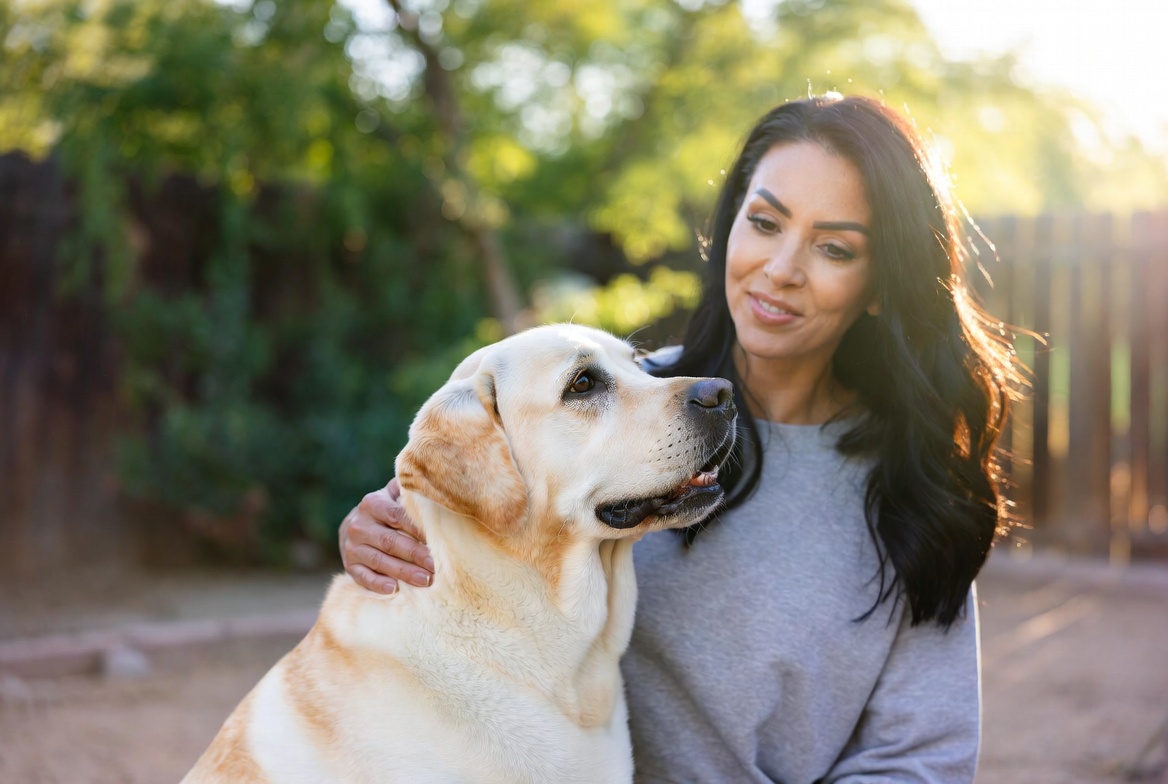
    Moments of calm connection like this are where real leadership and focus begin.

    Have you ever called your dog’s name on a walk and felt like they didn’t even hear you? Or watched them pull ahead, completely tuned out, nose to the ground like you’re just along for the ride? It’s a tough feeling. You start to wonder if your dog really cares about you at all.

    The honest truth is, in that moment and in that environment, you probably don’t matter as much to them as you’d like. Not because they don’t love you — most dogs do, in their own way. But because they haven’t yet learned that you are the most important, reliable thing in their world. Learning to make yourself matter to your dog is the foundation for better focus, reliable recall, and a deeper bond. Some dogs struggle more with focus, especially if no one has shown them why they should bother tuning in. If you want a dog that comes when called no matter what’s happening, or one that actually stays close instead of wandering off, you need to become someone who truly matters to them — not just the treat dispenser or the one who opens the door when they want out.

    A big excited greeting when you come home feels good, but it doesn’t mean you’re their priority when distractions hit. If your dog only checks in when there’s nothing more interesting going on, it’s a sign that the leadership and structure in your relationship needs some attention.

    The Good News: Small Changes, Big Shifts

    The encouraging part? You can turn this around. And it often starts with surprisingly simple adjustments to everyday routines — how you feed your dog, how you give attention, and how you set up their resting places and daily patterns. These aren’t complicated training drills. They’re about building what we call Learn to Earn into daily life, combined with smart Canine Environmental Management. When you do this consistently, you step into the role of calm leader. Your dog starts looking to you for direction instead of treating you like background noise.

    I’ve seen this happen time and again over more than forty years of working with dogs and their owners. Dogs that used to ignore recalls or bolt on walks become focused partners once their people bring quiet leadership and structure into the ordinary moments. It’s not magic, and it doesn’t require being harsh. It just takes consistency and the right approach.

    Start With These Everyday Moments

    Mealtimes are one of the easiest places to begin. Instead of just filling the bowl and setting it down while your dog bounces around, ask for a calm sit or down first. Let them earn their meal through polite behavior. It takes almost no extra time, but it teaches impulse control and shows your dog that good things come from checking in with you. Do this at every meal, and you’ll notice their focus on you getting stronger in other situations too.

    Attention works the same way. When your dog jumps, pushes, or demands pets, don’t reward the pushiness by giving in. Wait for calm behavior or quietly cue a sit. Then offer the affection freely. You’re teaching them that respectful connection with you is how they get what they want. Over time, this makes you more valuable in their eyes than whatever else is happening around them.

    Resting places and daily routines matter more than most people realize. Part of good Canine Environmental Management is giving your dog clear expectations and safe, calm spaces — a designated bed or crate area, consistent rules around doors and furniture, predictable patterns for meals, walks, and downtime. When the environment supports calm behavior, your dog has less reason to go looking for their own entertainment or make their own decisions. They start turning to you instead.

    What This Looks Like in Real Life

    These small shifts add up fast. I’ve worked with dogs who were completely checked out on walks — pulling, ignoring their person, living in their own world. Once the owner started using mealtimes, greetings, and simple structure to build leadership, everything changed. The same dog that used to wander off started checking in, waiting at doors, and actually looking back for direction. The owner went from feeling invisible to having a dog that genuinely cared what they had to say.

    Another dog I saw had no interest in staying close or coming when called. After the owner committed to consistent, calm leadership in daily routines — no big dramatic training sessions, just steady structure — the dog began offering focus naturally. Recall improved because the dog wanted to be connected to their person, not because they were being forced.

    The Mindset That Makes It Work

    This isn’t about being the ‘boss’ or using force. It’s about being the calm, clear, consistent leader your dog needs to feel secure. Dogs are incredibly tuned in to our energy and consistency. When your expectations are fair and predictable, and your energy stays steady even when things go sideways, your dog relaxes into following you. That’s when you truly start to matter — not just when the yard is boring, but when the world is full of distractions. For more on why your mindset as a leader matters even more than specific techniques, see our related post here.

    Stay patient with yourself and your dog. Celebrate small wins. If something isn’t working, adjust rather than getting frustrated. Real change comes from repetition and showing up the same way every day. The bond you build this way runs deeper than treats or excitement. It’s built on trust.

    You Can Do This

    If your dog seems to ignore you or wander off, don’t take it as a personal failing. It just means the leadership and focus piece needs a little more intention. Start with one or two of these changes this week — maybe mealtimes and how you handle attention. Keep it simple. Stay consistent. You’ll be surprised how quickly your dog begins to tune in and how much more connected your walks and daily life feel.

    Your dog doesn’t need you to be perfect. They need you to show up as their steady leader. When you do, coming when called and staying close stops being a battle and starts feeling natural. That’s the kind of relationship that makes sharing your life with a dog so rewarding.

    — K9 Advantage Dog Training | Practical leadership for real dogs and the people who love them | Serving Bullhead City, Kingman, Lake Havasu City & Mohave County, AZ

  • When Human Feelings Get in the Way of Good Dog Training

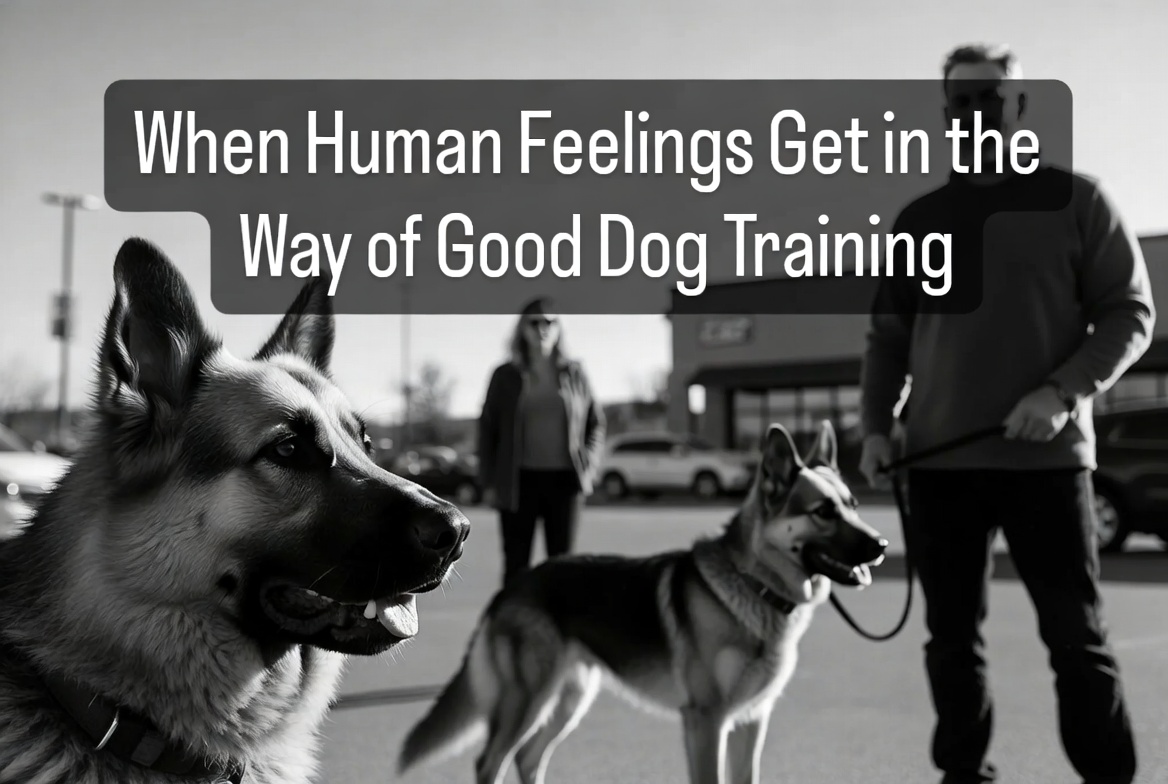
    When Human Feelings Get in the Way of Good Dog Training

    For a long time, dog training was pretty straightforward. You watched dogs, learned what they actually needed, and gave them structure, clear communication, and leadership. Dogs are social predators — they do best with rules, consequences, and someone who knows how to show them the way. Then, starting around thirty years ago in places like the Bay Area, things started shifting. What got sold as more compassion and sensitivity brought human emotions, new language, and public judgment into a field that used to focus on results.

    It began when the words. “Dog owner” became “dog guardian.” It sounds nicer, but it changed how people saw their role. Instead of being responsible for teaching the dog how to live successfully in our world, the job turned into protecting the dog from any stress or correction. Before long, anything that involved a little discomfort got labeled as cruel or traumatic.

    Once the language changed, the methods followed. Trainers started feeling pressure to use only approaches that looked gentle and positive to bystanders — even when those methods didn’t actually solve the dog’s problems. And if you used something that worked but didn’t look nice to the average person walking by, you could count on getting called out.

    I’ve seen how this plays out in real life. One morning in Lake Havasu, I was working with a client and their dog in a Home Depot parking lot early in the day. The asphalt was still cool — it wasn’t hot yet. We were doing normal, real-world training. Out of nowhere, a bystander started yelling that I was being cruel because the ground would get hot later. They didn’t ask about the actual temperature, how long we’d been there, or what the dog’s body language was saying. They just projected their own story onto it and went straight to accusations. It put the client in an awkward spot and turned the whole session into a spectacle about feelings instead of training the dog.

    This kind of thing happens more than it should. People with strong opinions but little hands-on experience feel like it’s their job to step in when they see something that doesn’t match their idea of “nice.” It creates real pressure. Good trainers start avoiding public sessions or second-guessing techniques they’ve used successfully for years. The dog ends up with less real-world exposure and fewer tools to handle life.

    Here’s the core issue: Dogs aren’t humans. They don’t process the world through our moral rules or need us shielding them from every challenge. They respond to clarity, consistency, and consequences. A well-timed correction often teaches more than ten minutes of coaxing and bribing. Most dogs feel more secure with clear rules than with a permissive setup where nothing ever gets enforced.

    When we let our own discomfort with “looking mean” drive the training, dogs pay the price. They get confused, their issues don’t get resolved, and they miss out on proper socialization. I’ve seen it especially with high-drive or working-line dogs — the soft, one-size-fits-all approach often falls flat, and then the dog gets blamed instead of the method.

    You can see the downstream effects pretty clearly:

    • Owners keep dogs home more to avoid confrontations, so the dogs never learn to handle new places, sounds, or other animals. That leads to more fear and reactivity later.
    • Trainers dilute what they do to stay out of trouble, so real behavior problems don’t get fixed.
    • Experienced people start pulling back from public work. That practical knowledge starts fading.
    • In the worst cases, dogs with problems that could have been addressed end up surrendered or euthanized because the gentle path didn’t work and now they’re considered unmanageable.

    The bigger problem is that real expertise gets pushed aside. Dog training is built on observable principles — how dogs learn, how they behave, what actually works. When authority shifts to whoever shouts loudest on social media or in the parking lot, the standards drop. It becomes a loop where the popular thing gets reinforced and anything different gets attacked.

    I’m not saying we should be harsh or ignore a dog’s well-being. The opposite. But there’s a real difference between protecting a dog’s actual welfare and projecting our own emotional needs onto them. Dogs need competent guidance that respects who they are, not training designed to make the handler or the bystanders feel better.

    If we want dogs that can actually live successfully with us — calm, reliable, and confident in real situations — we have to focus on what the dog needs. Results matter more than how it looks to someone who doesn’t understand the context. After decades of doing this work, I’ve seen too many dogs struggle because we got sidetracked by the wrong priorities.

    The shift started gradually with language and social pressure. Turning it around means drawing a clear line between genuine welfare concerns and letting human feelings dictate what dogs are allowed to experience. Dogs do best when we give them clarity instead of comfort.

  • Fear of Fireworks & Thunder?

    Fear of Fireworks & Thunder?

    Here’s Why Consoling Makes It Worse — And What Actually Works

    Every Fourth of July and every thunderstorm season, the same story plays out across backyards and living rooms: dogs shaking, hiding, destroying doors, or even hurting themselves trying to escape the noise.

    At K9 Advantage, we see this every year in our classes. The good news? This fear is rarely something your dog was born with. In most cases, it’s something we accidentally teach them.

    The Real Cause of the Fear

    Dogs are not naturally terrified of loud noises. Plenty of dogs sleep right through fireworks and storms.

    What turns a normal startle into a full-blown phobia is usually the owner’s response. When your dog shows fear, it’s natural to want to comfort them. You lean in with a soft voice: “It’s okay… don’t worry… I’ve got you.”

    To your dog, that gentle, high-pitched tone sounds exactly like praise. They learn that acting scared gets them attention and reassurance. So the next time the noise starts, they turn up the fear behavior — because it worked last time.

    Training resources and experienced handlers have long warned against this. Consoling or reassuring a fearful dog during fireworks or thunder can reinforce the very reaction you’re trying to stop. The same principle appears in practical behavior guidance: do not reward the fearful response with extra attention or reassurance. Instead, redirect to something productive.

    That’s the core of the K9 Advantage approach: stop rewarding the fear and start leading through it.

    Why Thundershirts, Treats, and “Just Ignore It” Usually Fail

    Most quick fixes treat the symptom, not the cause. – Thundershirts and calming aids can dull the edge but don’t teach your dog how to handle stress.

    • Treats during the panic can accidentally reward the anxious state.
    • Simply ignoring the dog without giving them something to do leaves them without direction or leadership.

    K9 Advantage classes focus on something different: giving your dog a job and enforcing it calmly and consistently. When the dog has a clear command to hold and a leader who follows through, the noise becomes background noise instead of a crisis.

    The K9 Advantage Method That Actually Works

    This isn’t about being harsh. It’s about being clear, calm, and in charge — exactly what your dog needs when the world feels scary.

    1. Build the Foundation First (Before the Next Boom) Your dog needs reliable “sit” and especially “down” commands that hold even when distractions are present. The “down” is our most powerful control command because it puts the dog in a submissive, trusting posture. A dog that will stay in a “down” while fireworks go off has learned their leader is handling the situation.

    2. Get Ahead of the Noise Before fireworks or thunder starts, put the leash on and run a short, crisp obedience session — fast sits, fast downs, quick praise for focus. This flips your dog’s brain from “potential panic” to “work mode.”

    3. During the Event — Enforce the Command, Not the Emotion

    • Give one clear command: “Down” or “Sit.”
    • If your dog breaks it (they probably will at first), deliver a quick, sharp leash correction — straight up for a sit, straight down for a down. No repeating the command in a pleading voice. No slow tugging.
    • Put them right back into the command and stay calm. You’re correcting the broken position, not punishing fear.
    • The moment your dog holds the command and looks at you, give calm verbal praise. The second their attention drifts, stop praising.

    We teach this in every class: you praise the dog more for what they’re thinking about than for the physical position alone. This is the same principle used in effective counter-conditioning — redirect to an established command and praise the right response.

    4. Use the Rubber Band Method for Long-Term Results Don’t wait for the next holiday to start. Practice obedience in gradually more distracting environments. Start easy, then stretch the difficulty only as your dog succeeds. This systematic, gradual exposure is the same approach shown to reduce fear responses in behavioral studies.

    Why This Approach Creates Real, Lasting Change

    When you enforce obedience instead of consoling fear, several powerful things happen:

    • Your dog’s mental energy moves from the scary noise (which they can’t control) to the command (which they can).
    • They learn to trust you as the steady leader even when things feel chaotic.
    • Consistent rules build confidence — whether your dog is naturally shy or overly dominant.
    • You’re not just surviving the holiday. You’re teaching a life skill that helps with any stressful situation.

    Our own training experience and supporting behavioral work both show that redirecting to commands and maintaining calm leadership outperforms simply trying to comfort the fear away.

    Real Results: “Tiny” the Saint Bernard

    We’ve seen this work even in extreme cases. One Saint Bernard named Tiny was on an euthanasia list because of violent reactions to storms — he was destroying property and even jumping through windows. Through consistent obedience work and leadership enforcement, he went from that level of panic to sleeping peacefully through thunderstorms. No special vests. No constant treats. Just clear commands and a handler who stayed in charge.

    What You Can Do Starting Today

    • Practice your dog’s “down” and “sit” every day with immediate follow-through.
    • Before the next loud event, have the leash ready and run a quick obedience warm-up.
    • During the noise: enforce the command, correct breaks only, praise focus.
    • Stay calm yourself — your energy sets the tone.
    • Keep building gradually with the rubber band approach so your dog gets stronger over time.

    If your dog’s fear is severe or you want hands-on help, our drop-in classes and private sessions are designed exactly for this. We teach the same leadership and obedience system that turns panicked dogs into calm, focused companions.

    Your dog doesn’t need more sympathy during the fireworks. They need a leader who stays calm, gives clear direction, and follows through every single time.

    Do that, and the noise stops being the enemy. It becomes just another thing your dog handles because you told them to.

    That’s the K9 Advantage difference.

    Ready to get started? Reach out or join one of our upcoming classes. Your dog is capable of more calm than you think — once you lead the way.

  • No Excuses: Owner Accountability Determines Your Dog’s Behavior – Good or Bad

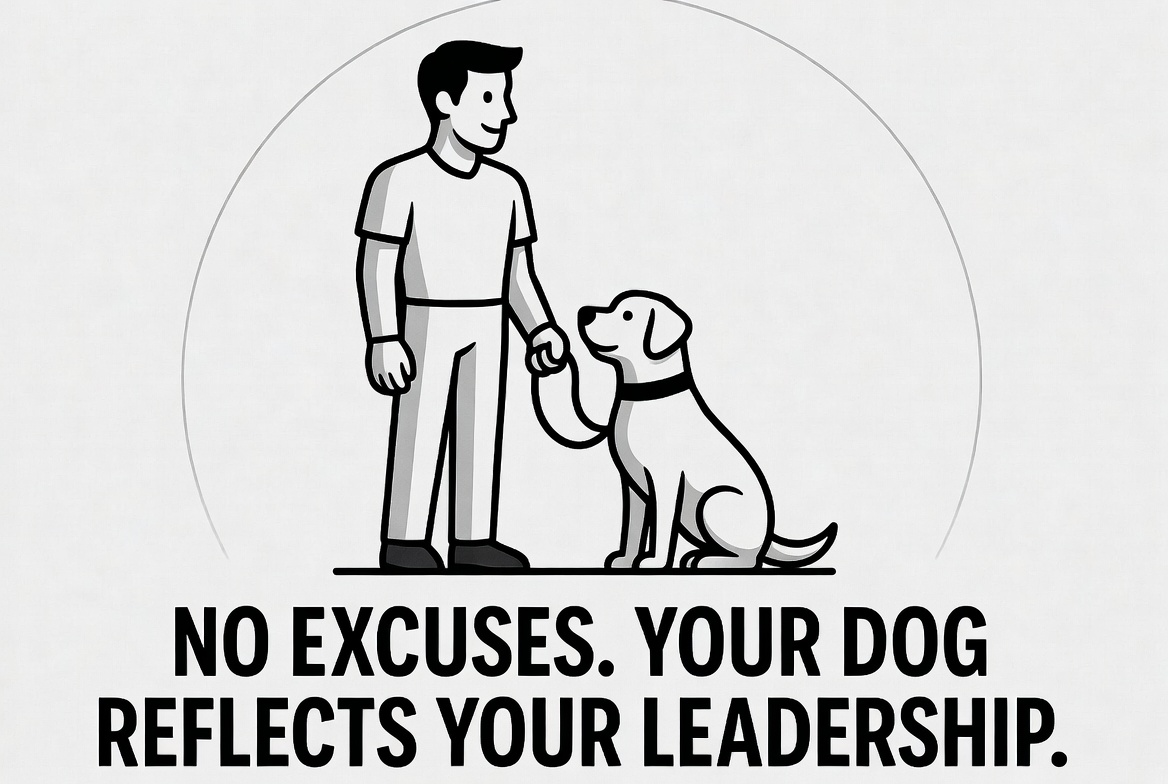
    No Excuses: Owner Accountability Determines Your Dog’s Behavior – Good or Bad

    Dogs are not born with perfect manners or doomed to bad habits.

    Accountability has been a big thing for me in dog training and just in everyday dog ownership, almost from the beginning. Early in my career, I realized that dogs are products of their environment, and we are in control of that environment. When I help my clients work through their issues with their dog, owner accountability is a very important aspect of correcting problems their dog may have. If the owner does not take responsibility for their dog’s behavior, the dog will ultimately be the victim.

    At K9 Advantage, accountability isn’t just a buzzword in my dog training philosophy — it’s the foundation of everything we do. With over 40 years of hands-on experience, I’ve seen this truth hold up every single time.

    Dogs are not born with perfect manners or doomed to bad habits. Every behavior, every habit, every success or struggle your dog has comes back to the leadership, consistency, and structure they receive at home. You control the environment. You set the tone through daily routines and expectations. Good behavior doesn’t happen by accident. It is built when owners provide clear direction and follow through consistently.

    Bad behavior tells the same story in reverse. It rarely stems from the dog “just being that way.” Bad habits grow from unclear boundaries, mixed signals, and environments that reward chaos. Blaming the breed or claiming “that’s just how they are” changes nothing. Those are excuses. Excuses never trained a dog.

    That’s why owner accountability sits at the core of our coaching programs. When we work together, I don’t hand out quick fixes or band-aid solutions. I help you take full responsibility for your dog’s behavior—because real, lasting change only happens when you do. I’ll guide you to become the calm, confident leader your dog needs, while giving you the tools, support, and systems to follow through.

    The hard truth I’ve witnessed time and time again: If the owner doesn’t take responsibility, the dog always becomes the victim. They end up confused, frustrated, labeled “problem dogs,” or worse—surrendered or rehomed. The common thread isn’t a bad dog. It’s a lack of ownership from the human side.

    At K9 Advantage, we change that story through proven methods focused on canine environmental management. We address root causes, not symptoms. You’ll learn how to create the right environment, set clear boundaries, and build the relationship most owners only dream about. Our approach draws from dog psychology, instincts, and emotion—delivered with patience, clarity, and trust. No harsh tools. No fluff. Just results that stick because you own the process.

    Good behavior or bad, it all points back to you. Own the wins and keep building. Own the struggles and adjust your leadership. This mindset turns frustration into steady progress.

    No more guilt. No more chaos. Just real progress and a happier, more balanced dog.

    Ready to step up? Let’s work together and give your dog the leader they deserve. Contact K9 Advantage today. No excuses.

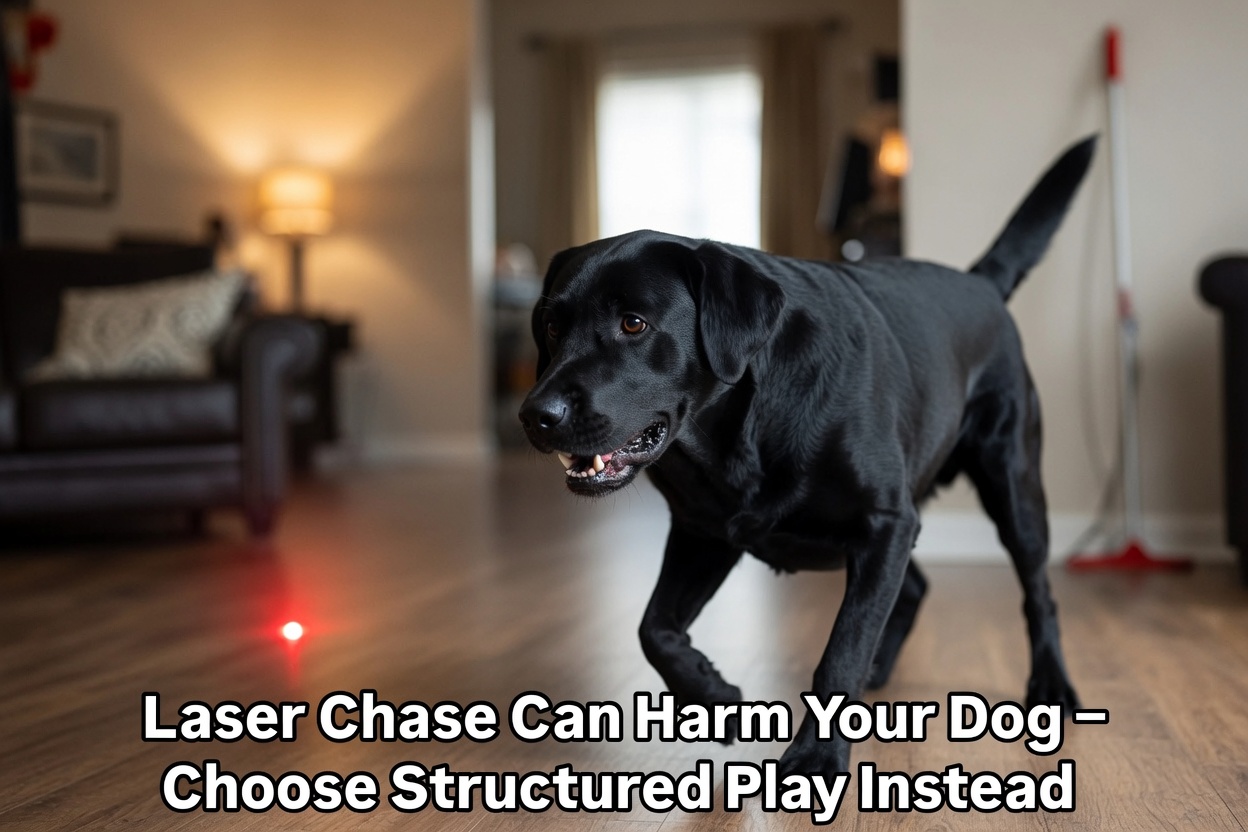
  • Laser Chase with Your Dog: Why This Popular Game Can Create Serious Problems

    Laser Chase with Your Dog: Why This Popular Game Can Create Serious Problems

    Why This Popular Game Can Create Serious Problems

    At K9 Advantage, we understand why so many dog owners reach for a laser pointer. It’s quick, it works indoors, and dogs with plenty of energy seem to love the chase. But what feels like an easy win for burning off steam can quietly set your dog up for frustration, anxiety, and long-term behavior problems. That’s why we warn owners about laser chase with dogs before it turns into a bigger issue.

    The Hidden Risk Behind the Red Dot

    Laser play triggers your dog’s natural prey drive—the same instinct that makes them want to chase squirrels, balls, or anything that moves fast. The trouble is, the red dot never gets caught. There’s no closure, no “win,” and no satisfaction at the end of the sequence.

    Your dog stays locked in hunt mode. Over time, this incomplete cycle can rewire how they process the world. Many dogs begin chasing shadows, reflections, and lights even when the laser is put away. What started as play becomes an obsession that’s difficult to turn off.

    Warning Signs of Laser Pointer Syndrome

    Behaviorists refer to this pattern as Laser Pointer Syndrome. It’s not just “being silly”—it’s a compulsive response born from frustration. Watch for these signs:

    • Chasing or staring at shadows, sunbeams, or reflections on walls and floors
    • Pacing or scanning the environment long after the game ends
    • Becoming fixated on everyday light sources (watch faces, phone screens, sunlight through windows)
    • Difficulty settling or focusing on you because they’re still “hunting”
    • Heightened anxiety or reactivity around moving lights

    These behaviors can appear weeks or months after the laser games stop, and they often get worse under stress.

    Why High Prey Drive Dogs Are Especially Vulnerable

    Dogs with a strong prey drive feel the pull of the chase more intensely. Without a real outlet that ends in capture and release, the drive has nowhere healthy to go. The result is often escalating obsession rather than healthy exercise.

    This is why we always say at K9 Advantage: management and structure matter. Quick fixes that bypass impulse control usually create bigger problems down the road. Your dog’s environment—including the games you choose—shapes their behavior every day.

    According to the American Kennel Club, laser pointer games frequently lead to more frustration than fun and can spark obsessive-compulsive behaviors. Other behavior experts, including those writing for Whole Dog Journal, warn that the lack of closure in laser play leaves dogs searching for resolution that never comes.

    Smarter Ways to Channel Energy and Build Skills

    Instead of laser pointers, choose activities that give your dog the chase they crave plus the closure and structure they need. These options support impulse control and real-world reliability:

    • Structured Flirt Pole Games — A flirt pole lets your dog chase a toy on a string in a controlled way. Teach a reliable “drop it” and “wait” cue first so you stay in charge. The game ends when you decide, giving your dog the satisfaction of a clear finish.
    • Rule-Based Fetch — Turn fetch into a training session. Ask for a sit or down-stay before each throw. Practice recalls and impulse control between throws. Your dog gets the physical outlet and the mental win of succeeding with you.
    • Scent Work and Food Puzzles — Engage their nose and brain. Snuffle mats, puzzle toys, and simple scent games provide mental stimulation without the endless frustration loop of an uncatchable target.
    • Our Learn to Earn Philosophy — We help dogs and owners build calm leadership through everyday structure. When play has rules and purpose, it strengthens your bond and gives your dog genuine satisfaction instead of leaving them wired and searching.

    These approaches respect your dog’s drives while teaching them to work with you—not against their own nervous system.

    Prevention Is Always Easier Than Repair

    Once a dog develops strong light or shadow-chasing habits, reversing the pattern takes consistent behavior rehabilitation, environmental management, and often professional guidance. It’s far simpler to skip the laser pointer from the start.

    If your dog is already showing signs of fixation, or if you want practical, structured ways to meet their needs without creating new problems, we’re here to help. Reach out for a private consultation or explore our online programs at K9 Advantage. We focus on real solutions that work in everyday life—not quick fixes that cost you later.

    Your dog deserves play that leaves them calm, confident, and connected to you. Let’s give them outlets that build skills instead of obsessions.

    Ready to give your dog better outlets? Contact K9 Advantage today for private training, behavior rehabilitation, or our online Learn to Earn programs. Serving Kingman, Golden Valley, Lake Havasu, Bullhead City, and surrounding areas.

  • Canine Environmental Management for Calmer Dogs at Home

    Canine Environmental Management for Calmer Dogs at Home

    Many behavior struggles do not start with disobedience. They start with a home setup, daily routine, or pattern of trigger exposure that keeps a dog overstimulated, reactive, or confused. Canine environmental management for dogs helps change those conditions so calm, cooperative behavior becomes easier and more natural every day.

    This approach focuses on reshaping the spaces your dog uses, the routines you follow, and the situations that trigger unwanted behavior. Instead of waiting for problems to happen and correcting them afterward, environmental management helps set your dog up for better choices from the start.

    Why it matters

    Dogs learn from repetition. When a dog rehearses barking at the door, rushing guests, pacing at windows, or getting overexcited in certain rooms, those patterns can become stronger over time. A better environment can reduce stress, lower confusion, and support steadier behavior throughout the day.

    What this can look like

    • Adjusting entryway routines to reduce chaos
    • Changing how your dog experiences guests, movement, or noise in the home
    • Using barriers, placement, and structure to prevent bad habits from being repeated
    • Reducing trigger exposure while building better responses
    • Creating routines that support calmer behavior throughout the day

    How it fits training

    For many families, this work is an important part of private in-home sessions because the home environment plays a major role in the dog’s behavior. Training is often more effective when the setup at home supports the behavior you want to see.

    You can learn more about this approach in the Canine Environmental Management section on our About page.

    If this topic sounds familiar, keep this resource handy and revisit this post anytime you need a reminder that small changes at home can make a big difference.

    Small changes in environment and routine can make better behavior easier for both dogs and owners.

    Need help at home?

    K9 Advantage helps Arizona dog owners improve behavior with practical training, home-based support, and clear guidance that fits everyday life.

  • “Where’s My Walk?” Stare = You Without Coffee

    “Where’s My Walk?” Stare = You Without Coffee

    Fun Fact: Your dog is basically you… but with four legs and a serious caffeine equivalent! 🐶☕

    Think about your morning ritual: That first hot cup of coffee hits, and suddenly the world makes sense. Skip it, and bam—your whole day feels off-kilter, foggy, irritable, maybe even a little anxious. Sound familiar?

    Well, our dogs are wired the same way—except instead of craving java, they’re hooked on the predictability of their daily habits. Dogs are true creatures of habit, thriving on consistent routines for meals, walks, playtime, and cuddle sessions. These patterns give them a rock-solid sense of security and help regulate their emotions.

    When something throws off their schedule—like a delayed walk, a skipped play session, or even a change in your work hours—it can rattle them just like missing your coffee rattles you. That sudden disruption? It spikes stress, leading to insecurity, anxiety, clinginess, or even out-of-character behaviors (think excessive barking, pacing, or destructive chewing). Studies and clinical observations show that consistent routines lower cortisol (the stress hormone) in dogs, making them calmer, more confident, and better behaved overall.

    So next time your pup gives you that “where’s my walk?!” stare at exactly 7:03 AM, remember: they’re not being demanding—they’re just protecting their version of a perfect morning brew. Stick to those habits, and you’ll have a happier, more balanced furry friend who’s ready to tackle the day (tail wags included)! If daily walks are a struggle, our Leash Walking training and Obedience Training can help create calmer routines.

  • The Power of Prevention in Puppy Training

    The Power of Prevention in Puppy Training

    How to Prevent Puppy Behavior Problems with “Learn to Earn”

    One of the most effective ways to prevent puppy behavior problems is through what I call “Learn to Earn.”

    From the very beginning, teach your puppy that good things in life — food, attention, play, and freedom — come through calm, polite behavior. This simple mindset shift helps puppies develop impulse control naturally.

    They quickly learn that sitting politely gets them what they want. Jumping, barking, or pushing does not.

    Use Management to Stop Problems Before They Start

    Management plays a huge role in prevention.

    Using baby gates, crates, and leashes inside the house limits your puppy’s ability to practice unwanted behaviors. The less a puppy practices jumping on people or chewing furniture, the less likely those behaviors become habits.

    Good management doesn’t restrict your puppy forever. It simply prevents rehearsal of the wrong behaviors while you teach the right ones.

    Socialization That Actually Prevents Fear and Reactivity

    Socialization is another critical part of prevention.

    Exposing your puppy to a wide variety of people, places, sounds, and surfaces in a positive way helps prevent fear and reactivity later in life. However, this must be done thoughtfully.

    It’s not about overwhelming your puppy. It’s about creating positive, calm experiences that build confidence.

    The Biggest Mistake Most New Puppy Owners Make

    Many owners make the mistake of being too lenient in the beginning because “they’re just puppies.”

    While patience is important, allowing certain behaviors now because they seem cute often creates problems later. A jumping puppy becomes a jumping adult. A puppy that gets away with nipping often becomes a dog that uses its mouth to get what it wants.

    Prevention Is Smarter Than Correction

    The good news is that prevention doesn’t have to be complicated. It mostly comes down to being consistent, setting clear expectations, and managing your puppy’s environment so they can succeed.

    When you invest time and effort upfront, you create a solid foundation that makes training much easier as your dog grows.

    A well-managed puppy with clear structure usually grows into a well-mannered adult dog. Prevention isn’t about being strict. It’s about being smart.

    If you want help getting started on the right foot, our Private In-Home Sessions and Board & Train programs can help you build the right foundation early.


  • Consistent Feeding: The Simple Structure That Builds a Calmer, More Focused Dog

    Consistent Feeding: The Simple Structure That Builds a Calmer, More Focused Dog

    Picture this: Your dog starts pacing, whining, or staring you down 20–30 minutes before “dinner time” — except dinner time changes every day depending on your schedule. Or the bowl sits out all day and your dog grazes whenever they feel like it, leading to constant begging, unpredictable potty habits, or even tension when you walk near the bowl.

    This isn’t just “how your dog is.” It’s the direct result of inconsistent feeding — and it’s one of the easiest, highest-impact changes you can make.

    At K9 Advantage, we teach that dogs are products of their environment — and you control that environment. Consistent feeding is one of the most powerful ways to give your dog the structure, predictability, and calm leadership they need to thrive.

    Why Consistent Feeding Matters More Than Most Owners Realize

    Dogs are creatures of habit. When meals arrive at the same times every single day, several powerful things happen:

    • Predictability lowers stress. Uncertainty creates anxiety. A dog who knows exactly when food is coming relaxes. That calm baseline carries into walks, training, and daily life.
    • It supercharges house training and potty reliability. When you control when food goes in, you know when it needs to come out. Puppies and adult dogs alike become far more predictable — and accidents drop dramatically.
    • Digestion and overall health improve. Irregular meals can contribute to upset stomachs, poor nutrient absorption, and even increase bloat risk in some breeds. Consistent timing helps regulate the entire digestive system.
    • Weight management becomes simple. Free-feeding or grazing almost always leads to overeating. Scheduled, measured meals let you control portions and keep your dog at a healthy weight.
    • Impulse control and leadership are built at every meal. Mealtime stops being a free-for-all and becomes a structured interaction. Your dog learns to wait calmly, look to you, and earn their meal through composure. This is “Learn to Earn” in its simplest, most practical form — no treats required.

    When you control the when, where, and how of feeding, you’re not just feeding your dog. You’re training them.

    How to Implement Consistent Feeding (The Right Way)

    1. Pick two set times and protect them. For most adult dogs, morning and evening at the exact same times — weekends included. Your dog’s internal clock will adjust quickly, and so will their behavior.
    2. Use the same location every time. Same spot, same bowl, same setup. This builds ritual and reduces excitement or guarding that can appear when everything changes.
    3. Create a calm pre-meal ritual. Before the bowl goes down, have your dog sit or wait in a composed state (whatever matches their current level). Only release them to eat when they’re calm. This single habit teaches patience and reinforces that you control the resources.
    4. Measure every meal. Use a cup or scale. Eyeballing leads to inconsistency in calories and weight. Adjust portions based on your dog’s age, activity level, and your vet’s guidance — but keep the process consistent.
    5. No free-feeding or leaving food out. Pick up the bowl after 10–15 minutes if it’s not finished. Grazing removes structure and often creates picky eaters or constant “I’m hungry” behaviors.
    6. Link it to potty time. Right after eating, take your dog out. This creates a clean, repeatable chain: eat → potty → calm. It’s one of the simplest ways to accelerate house training.

    The Ripple Effect You’ll Notice

    Once consistent feeding is locked in, the benefits spread. Your dog becomes more focused during training. Walks feel calmer because the overall structure of their day is solid. Begging and pushy mealtime behaviors fade. Many owners also report that other reactivity or anxiety issues improve simply because the environment feels more predictable and safe under their leadership.

    This isn’t about being rigid. It’s about giving your dog what they actually need: clear expectations, reliable leadership, and a calm environment you create.

    Start Today

    Pick your two feeding times, commit to them this week, and watch what happens. You’ll be amazed how one simple, consistent habit shifts the entire tone of your relationship with your dog.

    This kind of practical, structure-first approach is the foundation of everything we teach at K9 Advantage — from our training services to Private In-Home Sessions and Board & Train.

    Your dog doesn’t need more chaos. They need a calm, consistent leader who controls the environment.

    You’ve got this. Start with the bowl — and the rest starts falling into place.

  • 5 Common Dog Behavior Problems Arizona Owners Can Start Fixing Today

    5 Common Dog Behavior Problems Arizona Owners Can Start Fixing Today

    Better Behavior Starts at Home

    Life with a dog should feel rewarding, not stressful. At K9 Advantage, we help Arizona dog owners address everyday behavior problems with practical training, clear communication, and strategies that create calmer homes and stronger bonds.

    Whether your dog pulls on the leash, jumps on guests, ignores cues, or struggles with overstimulation, progress often begins with a few consistent changes. Here are five common issues we see and what owners can do to start improving them. If you have a young dog, The Power of Prevention in Puppy Training explains how early structure can prevent many of these issues from taking hold.

    1. Pulling on the Leash

    Leash pulling turns walks into a battle and can make daily exercise frustrating. Dogs often pull because they have learned that tension still gets them where they want to go.

    • Reward your dog for walking near you before the leash gets tight.
    • Pause or change direction when pulling starts.
    • Keep sessions short so your dog can succeed.

    Consistent leash walking training helps dogs understand that calm movement earns forward progress.

    2. Jumping on Guests

    Jumping is often driven by excitement, but it can quickly become overwhelming for visitors and family members. The key is teaching an incompatible behavior your dog can perform instead.

    • Practice greetings before guests arrive.
    • Reward four paws on the floor or a sit.
    • Ask everyone to respond consistently so the dog gets a clear message.

    For dogs that struggle with visitors, our Guest Manners training gives owners a practical plan.

    3. Not Listening at Home

    Many owners say their dog knows commands but does not respond when it matters. In many cases, the issue is not stubbornness. It is a lack of reliable practice in real-life situations.

    Dogs learn best when expectations are clear, rewards are timely, and skills are practiced in the environments where they are actually needed.

    Obedience Training becomes more effective when owners build repetition into daily routines instead of only practicing during formal sessions.

    4. Overstimulation and Poor Household Manners

    Some dogs struggle not because they are unwilling, but because their environment makes success difficult. This is where Canine Environmental Management becomes especially valuable.

    • Use gates, crates, place beds, and structured routines to reduce chaos.
    • Set up the home so your dog can make better choices more easily.
    • Pair management with training so good habits become more reliable over time.

    Thoughtful management helps prevent rehearsal of unwanted behavior while giving both dogs and owners a clearer path forward.

    5. Behavior Problems That Keep Getting Worse

    Barking, reactivity, door rushing, and other persistent issues rarely improve by accident. Early support can make a major difference, especially when training is tailored to the dog, the home, and the owner’s goals.

    Private In-Home Sessions can uncover triggers, improve consistency, and create a realistic plan that fits everyday life in Arizona households.

    Why Owners Choose K9 Advantage

    K9 Advantage brings decades of experience helping dog owners solve behavior problems, improve obedience, and build stronger relationships with their dogs. Our approach is practical, supportive, and focused on results owners can use in real life.

    If you are ready for calmer walks, better manners, and more confidence at home, professional guidance can help you get there faster.

    Take the First Step

    K9 Advantage works with Arizona dog owners who want better behavior, clearer communication, and lasting progress. If your dog is struggling with obedience, guest manners, leash walking, or behavior challenges, now is a great time to start. Explore our full Services page or contact us to get started.