Category: Owner Mindset

Calm leadership, being consistent, setting boundaries

  • Make Yourself Matter to Your Dog: Small Daily Shifts That Build Real Focus & Connection

    Make Yourself Matter to Your Dog: Small Daily Shifts That Build Real Focus & Connection

    Practical insights from K9 Advantage Dog Training | Real training for real dogs

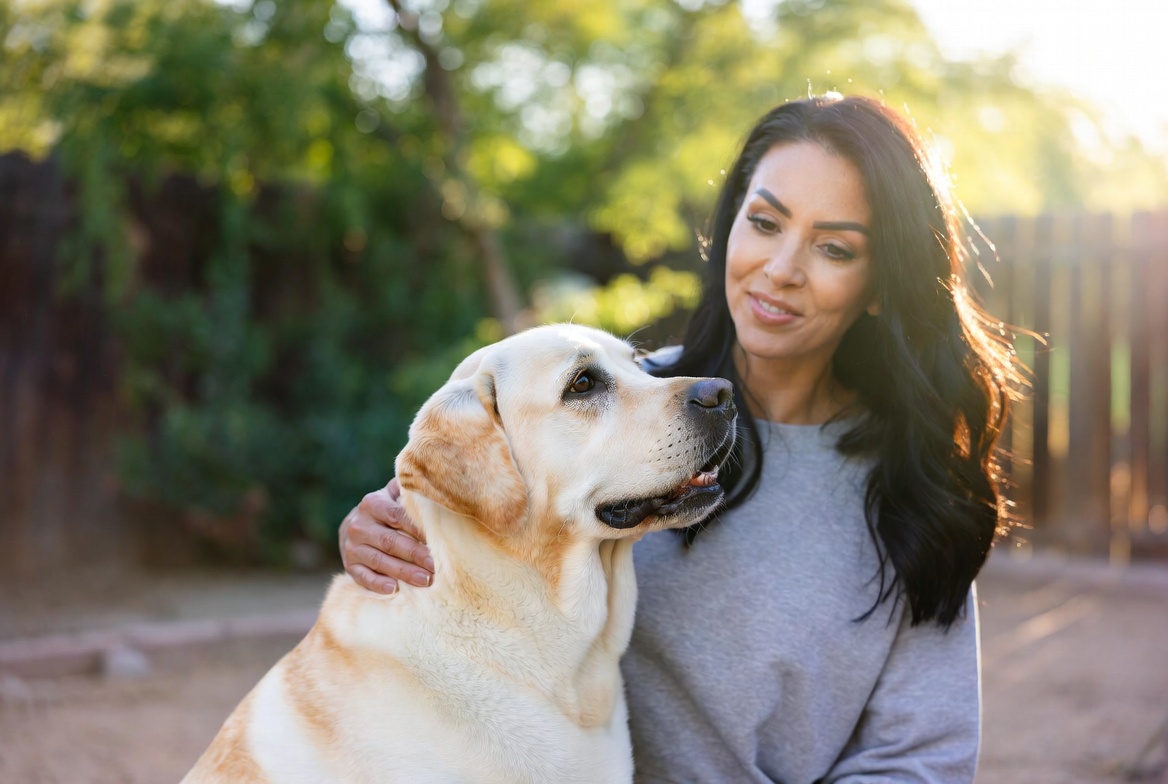
    Moments of calm connection like this are where real leadership and focus begin.

    Have you ever called your dog’s name on a walk and felt like they didn’t even hear you? Or watched them pull ahead, completely tuned out, nose to the ground like you’re just along for the ride? It’s a tough feeling. You start to wonder if your dog really cares about you at all.

    The honest truth is, in that moment and in that environment, you probably don’t matter as much to them as you’d like. Not because they don’t love you — most dogs do, in their own way. But because they haven’t yet learned that you are the most important, reliable thing in their world. Learning to make yourself matter to your dog is the foundation for better focus, reliable recall, and a deeper bond. Some dogs struggle more with focus, especially if no one has shown them why they should bother tuning in. If you want a dog that comes when called no matter what’s happening, or one that actually stays close instead of wandering off, you need to become someone who truly matters to them — not just the treat dispenser or the one who opens the door when they want out.

    A big excited greeting when you come home feels good, but it doesn’t mean you’re their priority when distractions hit. If your dog only checks in when there’s nothing more interesting going on, it’s a sign that the leadership and structure in your relationship needs some attention.

    The Good News: Small Changes, Big Shifts

    The encouraging part? You can turn this around. And it often starts with surprisingly simple adjustments to everyday routines — how you feed your dog, how you give attention, and how you set up their resting places and daily patterns. These aren’t complicated training drills. They’re about building what we call Learn to Earn into daily life, combined with smart Canine Environmental Management. When you do this consistently, you step into the role of calm leader. Your dog starts looking to you for direction instead of treating you like background noise.

    I’ve seen this happen time and again over more than forty years of working with dogs and their owners. Dogs that used to ignore recalls or bolt on walks become focused partners once their people bring quiet leadership and structure into the ordinary moments. It’s not magic, and it doesn’t require being harsh. It just takes consistency and the right approach.

    Start With These Everyday Moments

    Mealtimes are one of the easiest places to begin. Instead of just filling the bowl and setting it down while your dog bounces around, ask for a calm sit or down first. Let them earn their meal through polite behavior. It takes almost no extra time, but it teaches impulse control and shows your dog that good things come from checking in with you. Do this at every meal, and you’ll notice their focus on you getting stronger in other situations too.

    Attention works the same way. When your dog jumps, pushes, or demands pets, don’t reward the pushiness by giving in. Wait for calm behavior or quietly cue a sit. Then offer the affection freely. You’re teaching them that respectful connection with you is how they get what they want. Over time, this makes you more valuable in their eyes than whatever else is happening around them.

    Resting places and daily routines matter more than most people realize. Part of good Canine Environmental Management is giving your dog clear expectations and safe, calm spaces — a designated bed or crate area, consistent rules around doors and furniture, predictable patterns for meals, walks, and downtime. When the environment supports calm behavior, your dog has less reason to go looking for their own entertainment or make their own decisions. They start turning to you instead.

    What This Looks Like in Real Life

    These small shifts add up fast. I’ve worked with dogs who were completely checked out on walks — pulling, ignoring their person, living in their own world. Once the owner started using mealtimes, greetings, and simple structure to build leadership, everything changed. The same dog that used to wander off started checking in, waiting at doors, and actually looking back for direction. The owner went from feeling invisible to having a dog that genuinely cared what they had to say.

    Another dog I saw had no interest in staying close or coming when called. After the owner committed to consistent, calm leadership in daily routines — no big dramatic training sessions, just steady structure — the dog began offering focus naturally. Recall improved because the dog wanted to be connected to their person, not because they were being forced.

    The Mindset That Makes It Work

    This isn’t about being the ‘boss’ or using force. It’s about being the calm, clear, consistent leader your dog needs to feel secure. Dogs are incredibly tuned in to our energy and consistency. When your expectations are fair and predictable, and your energy stays steady even when things go sideways, your dog relaxes into following you. That’s when you truly start to matter — not just when the yard is boring, but when the world is full of distractions. For more on why your mindset as a leader matters even more than specific techniques, see our related post here.

    Stay patient with yourself and your dog. Celebrate small wins. If something isn’t working, adjust rather than getting frustrated. Real change comes from repetition and showing up the same way every day. The bond you build this way runs deeper than treats or excitement. It’s built on trust.

    You Can Do This

    If your dog seems to ignore you or wander off, don’t take it as a personal failing. It just means the leadership and focus piece needs a little more intention. Start with one or two of these changes this week — maybe mealtimes and how you handle attention. Keep it simple. Stay consistent. You’ll be surprised how quickly your dog begins to tune in and how much more connected your walks and daily life feel.

    Your dog doesn’t need you to be perfect. They need you to show up as their steady leader. When you do, coming when called and staying close stops being a battle and starts feeling natural. That’s the kind of relationship that makes sharing your life with a dog so rewarding.

    — K9 Advantage Dog Training | Practical leadership for real dogs and the people who love them | Serving Bullhead City, Kingman, Lake Havasu City & Mohave County, AZ

  • Should I Train My Dog? Any Training Is Better Than None – Start Today

    Should I Train My Dog? Any Training Is Better Than None – Start Today

    You love your dog. That much is obvious. But have you ever stopped and asked yourself why train your dog, or if your pup is doing “just fine” without it? The honest answer is that training your dog is one of the most valuable things you can do for both of you. Dogs thrive when they’re learning, and the time you spend together providing gentle direction and leadership builds something deeper than obedience. It builds trust, confidence, and a relationship that makes everyday life better.

    Here’s the reality most people don’t realize: only a small percentage of dog owners ever sign up for formal obedience classes—somewhere around 4 to 8 percent depending on the survey. Yet the majority of us, often 70 to 94 percent, do at least some training at home. That gap tells us something important. Most owners sense that training helps, even if they keep it casual. Still, many continue to wonder why train your dog if things feel mostly fine. The encouraging part? You don’t need to be perfect or professional to make a real difference. Any training is better than none.

    The options are wider than most people think, and you get to choose what fits your dog’s personality and your own life.

    For everyday life, foundational training makes the biggest immediate impact. Teaching basic obedience—sit, stay, come when called—gives your dog clear expectations and keeps everyone safer. Loose-leash walking turns stressful drags into pleasant strolls you both enjoy. If you have a puppy, adding some focused socialization and habituation helps them grow into a confident adult instead of one who reacts to every new sight or sound. These simple skills alone are a powerful reason why train your dog.

    Pack walks are another trend that’s gaining real popularity. These organized group walks with other dogs and owners are a fantastic way to practice leash manners, work on socialization, and build confidence in a supportive environment. There’s likely already a group in your area if you look around – they’re becoming more common everywhere.

    If your interests lean toward more meaningful work, there are paths like service dog training, where dogs learn to assist with mobility, medical alerts, or other support roles. Search and rescue training is another powerful option—dogs and handlers working as a team to find missing people in wilderness or disaster situations. These aren’t just jobs; they’re deep partnerships built on trust and purpose.

    For pure fun and fitness, dog sports open up a whole world. Agility training—with tunnels, jumps, and weave poles—creates incredible teamwork and burns off energy in the best way. Dock diving lets your dog launch off a dock into water for distance or height. It’s joyful, athletic, and something you can do together for years.

    And when it comes to the “how,” you’ve got options too. Group classes offer structure and the chance to practice around other dogs. Private lessons give you focused help on specific issues. Or you can go the self-directed route with good books, videos, or apps and work at your own pace—plenty of owners get excellent results this way, especially when they combine it with occasional professional guidance.

    What matters most isn’t which path you pick. It’s that you’re spending consistent time with your dog, showing up as a calm leader, and giving them the chance to succeed. I’ve seen the changes up close. The bond grows stronger. Trust goes both ways. Behaviors that used to frustrate you start to improve. And because your dog is more reliable and pleasant to be around, you naturally include them in more of your life—weekend adventures, trips, even simple evenings out. A well-trained dog opens doors. Understanding why train your dog becomes clear when you experience these everyday improvements. A happier dog and a happier owner usually follow.

    The truth is simple: dogs that get some training, even informal, tend to do better. Dogs that get consistent, positive guidance flourish. Inconsistent or incomplete training can lead to confusion and problems down the road, but the fix isn’t complicated. It starts with deciding to begin. Once you truly understand why train your dog, taking that first step becomes much easier.

    If you haven’t started yet, now is the time. Pick one thing that interests you—maybe those basic commands, joining a local pack walk, or a fun sport like agility. Find a local trainer you like, grab a well-regarded book, join a club, or try a solid online program. Even ten minutes a day adds up fast. Your dog is ready. The relationship you build through training is one of the most rewarding parts of sharing life with a dog.

    Don’t wait for the perfect moment or the perfect method. Start today. If you’ve ever questioned why train your dog, the answer is right in front of you: any training beats none, and the two of you deserve the connection and adventures that come with it.

  • When Human Feelings Get in the Way of Good Dog Training

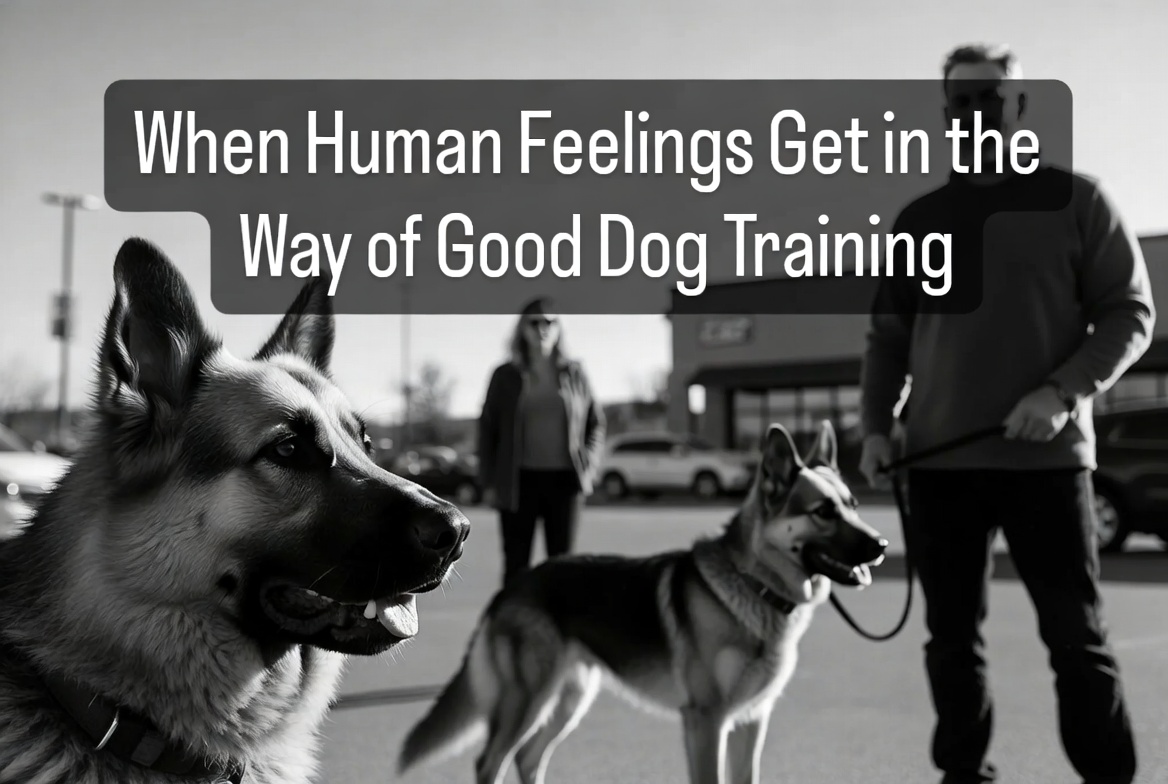
    When Human Feelings Get in the Way of Good Dog Training

    For a long time, dog training methods stayed straightforward. Trainers watched dogs, learned what they actually needed, and gave them structure, clear communication, and leadership. Dogs are social predators — they thrive with rules, consequences, and someone who shows them the way. Then, about thirty years ago in places like the Bay Area, the field began to shift. People sold the change as more compassion and sensitivity, but it pulled human emotions, new language, and public judgment into a profession that once focused on results.

    How Language Changed the Game

    The language changed first. “Dog owner” became “dog guardian.” This shift from dog owner vs dog guardian sounded nicer, but it altered how people viewed their role. Instead of teaching the dog how to succeed in our world, owners began protecting the dog from any stress or correction. Soon, anything that caused even mild discomfort earned the label of cruel or traumatic.

    Once the language changed, the methods followed. Trainers felt growing pressure to use only approaches that looked gentle and positive to bystanders — even when those methods failed to solve the dog’s problems. This is where positive only dog training often falls short. Anyone who used a technique that worked but didn’t look soft enough to the average passerby faced public criticism.

    When Public Judgment Takes Over

    I’ve watched this play out in real life. One morning in Lake Havasu, I worked with a client and their dog in a Home Depot parking lot early in the day. The asphalt stayed cool — it wasn’t hot yet. We practiced normal, real world dog training. Suddenly a bystander yelled that I was being cruel because the ground would heat up later. They never asked about the actual temperature, how long we had been there, or what the dog’s body language showed. They simply projected their own story onto the situation and jumped straight to accusations. Their outburst put the client in an awkward spot and turned the session into a spectacle about feelings instead of training the dog.

    This kind of interference happens more than it should. Public judgment in dog training from people with strong opinions but little hands-on experience creates real pressure. Good trainers begin avoiding public sessions or second-guessing techniques that have worked for years. As a result, the dog receives less real-world exposure and fewer tools to handle everyday life.

    Why Dogs Need Structure

    Here’s the core issue: Dogs are not humans. They do not process the world through our moral rules, and they do not need us to shield them from every challenge. They respond to clarity, consistency, and consequences. A well-timed correction often teaches more than ten minutes of coaxing and bribing. Most dogs feel more secure with clear rules than with a permissive setup that never enforces anything. This is exactly why dogs need structure.

    When we let our own discomfort with “looking mean” drive the training, dogs pay the price. They grow confused, their issues remain unresolved, and they miss out on proper socialization. I’ve seen this especially with high-drive or working-line dogs — the soft, one-size-fits-all approach often fails, and then people blame the dog instead of the method.

    The Real Cost of Soft Approaches

    You can see the downstream effects clearly:

    • Owners keep dogs home more often to avoid confrontations, so the dogs never learn to handle new places, sounds, or other animals. That leads to more fear and reactivity later.
    • Trainers dilute their methods to stay out of trouble, so real behavior problems stay unfixed.
    • Experienced trainers pull back from public work. Practical knowledge begins to fade.
    • In the worst cases, dogs with solvable problems end up surrendered or euthanized because the gentle path failed and people now label them unmanageable.

    The bigger problem is that real expertise gets pushed aside. Dog training rests on observable principles — how dogs learn, how they behave, and what actually works. When authority shifts to whoever shouts loudest on social media or in the parking lot, standards drop. The popular approach gets reinforced while anything different faces attack.

    Balanced Dog Training Puts the Dog First

    I’m not saying trainers should be harsh or ignore a dog’s well-being. The opposite is true. But we must recognize the difference between protecting a dog’s actual welfare and projecting our own emotional needs onto them. Dogs need competent guidance that respects who they are, not training designed to make the handler or the bystanders feel better. This is the heart of balanced dog training.

    If we want dogs that can live successfully with us — calm, reliable, and confident in real situations — we must focus on what the dog needs. Dog training results matter more than how the work looks to someone who doesn’t understand the context. After decades of doing this work, I’ve seen too many dogs struggle because we got sidetracked by the wrong priorities.

    The shift started gradually with language and social pressure. Turning it around requires drawing a clear line between genuine welfare concerns and letting human feelings dictate what dogs are allowed to experience. Dogs do best when we give them clarity instead of comfort.

  • Dog Behavior Problems: Take Full Responsibility and Become the Leader Your Dog Needs

    Dog Behavior Problems: Take Full Responsibility and Become the Leader Your Dog Needs

    Dogs are not born with perfect manners or doomed to bad habits.

    Take full dog owner responsibility for your dog’s behavior—because real, lasting change only happens when you do. I’ll guide you to become the calm, confident leader your dog needs, while giving you the tools, support, and systems to follow through.

    The hard truth I’ve witnessed time and time again: If the owner doesn’t take responsibility, the dog always becomes the victim. They end up confused, frustrated, labeled “problem dogs,” or worse—surrendered or rehomed. The common thread isn’t a bad dog. It’s a lack of ownership from the human side. This is why so many dog behavior problems persist. Understanding your dog’s natural tendencies is a good starting point—you can read more about that in Two Words to Describe Your Dog.

    At K9 Advantage, we change that story through proven methods focused on canine environmental management. We address root causes of dog behavior, not symptoms. You’ll learn how to create the right environment, set clear boundaries, and build the relationship most owners only dream about through our Private In-Home Sessions. Our approach draws from dog psychology, instincts, and emotion—delivered with patience, clarity, and trust. No harsh tools. No fluff. Just results that stick because you own the process. Reliable skills like a solid recall are essential, which is why I also cover practical training topics such as The Recall.

    Good behavior or bad, it all points back to you. Own the wins and keep building. Own the struggles and adjust your leadership. This mindset turns frustration into steady progress and helps you become the leader your dog needs. Many dog behavior problems improve significantly once the owner consistently steps into that leadership role.

    For owners who want more intensive support, our Board & Train programs offer a powerful way to create lasting change while you continue developing your leadership skills. Structured activities that build purpose and focus, like Dog Carting, can also support this progress.

    No more guilt. No more chaos. Just real progress and a happier, more balanced dog. When you fully take responsibility for your dog, everything starts to shift.

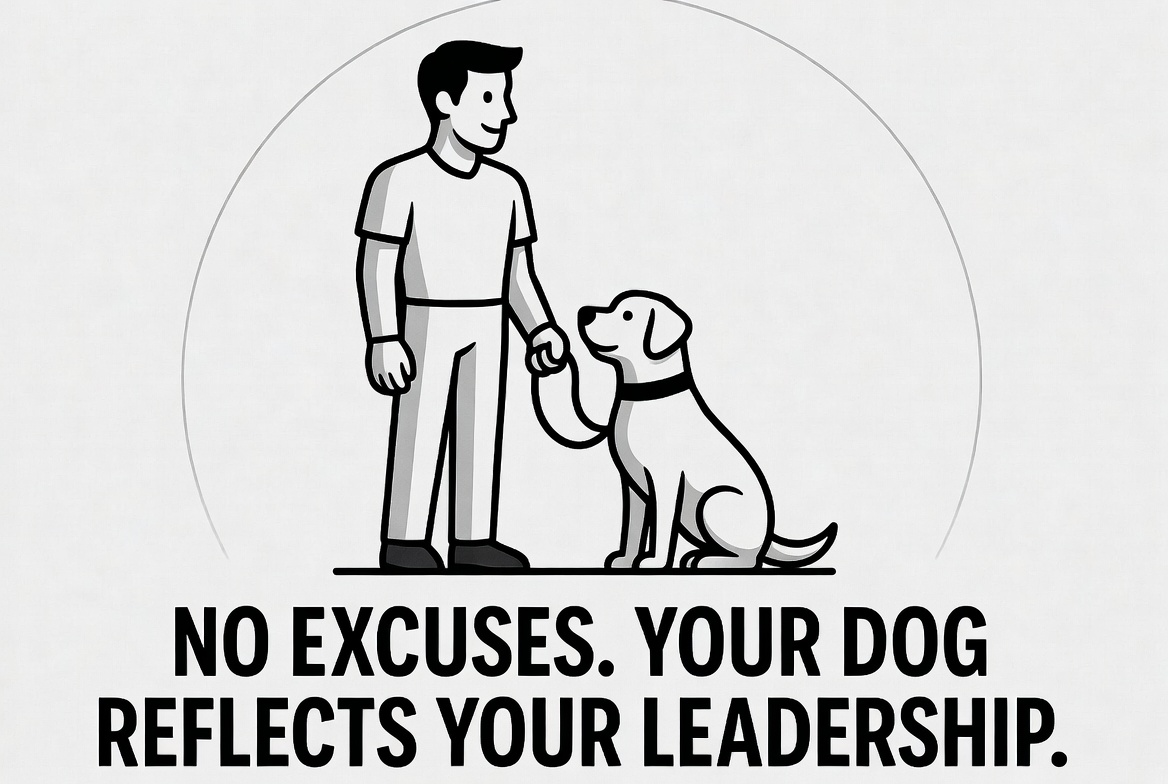
    Ready to step up? Let’s work together and give your dog the calm confident leader they deserve. Explore our full range of Dog Training Services or contact K9 Advantage today. No excuses.

  • Why Your Mindset Matters More Than Training Techniques

    Why Your Mindset Matters More Than Training Techniques

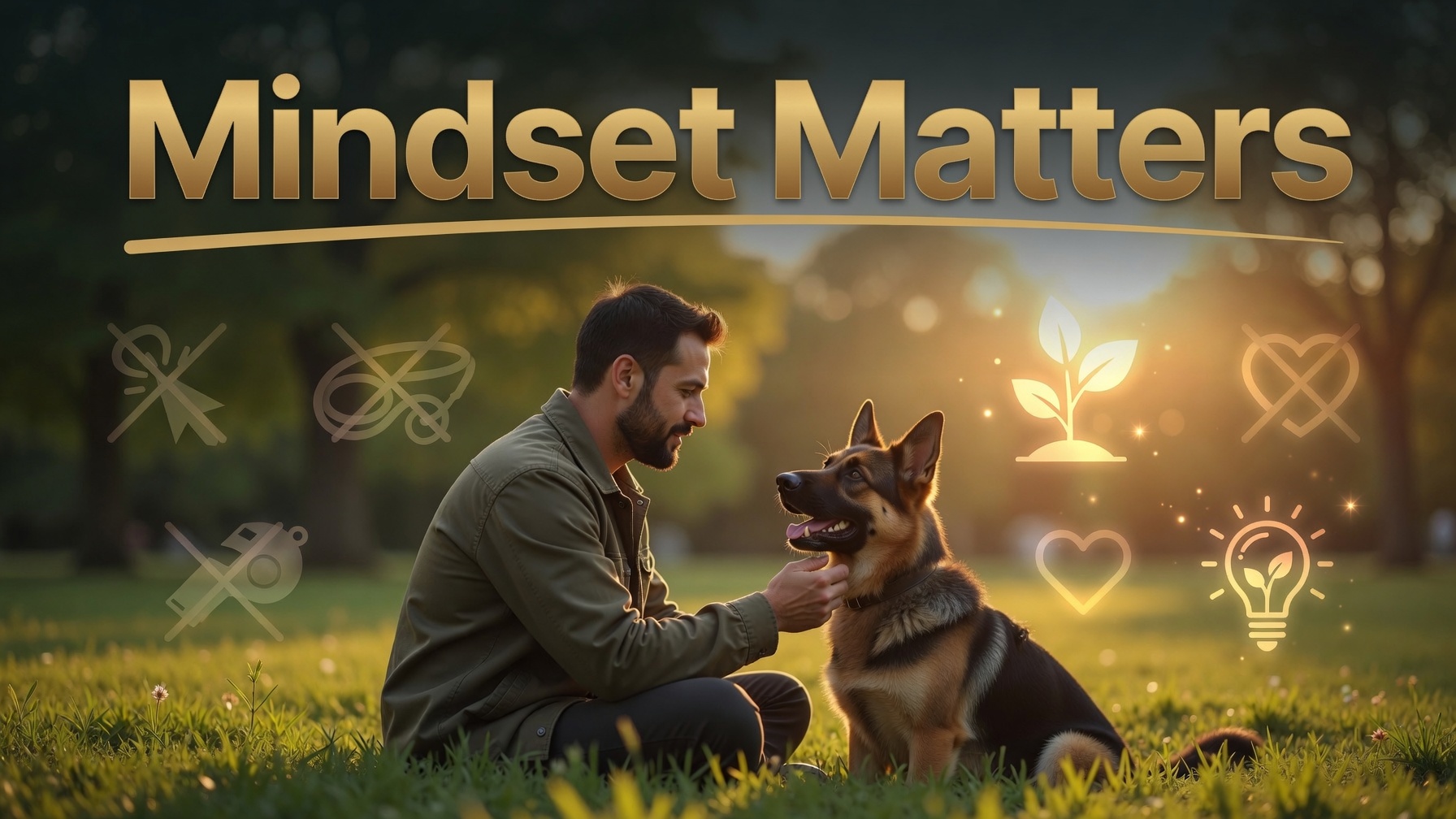
    When people ask me about dog training, they often want to know the best techniques or tools to use. While techniques matter, I’ve found that your mindset as an owner has a much bigger impact on your dog’s behavior than any specific method.

    Dogs are incredibly good at reading us. They notice when we’re inconsistent, unsure, or sending mixed signals. A dog doesn’t need perfect training methods — they need a leader who is calm, clear, and consistent.

    One of the biggest shifts I see in owners who get great results is when they stop viewing training as something they do to their dog and start seeing it as something they do with their dog. Training becomes part of daily life rather than a separate activity that only happens during formal sessions.

    Consistency is one of the most important parts of a strong owner mindset. Dogs thrive when they receive clear and consistent messages about what is expected of them. If jumping on people is okay sometimes but not others, your dog becomes confused. When the rules are the same every day — whether you’re tired, busy, or have company over — your dog learns faster and feels more secure.

    Another key part of the right mindset is taking responsibility for your dog’s environment. Many behavior issues aren’t really training problems — they’re management problems. If your dog is constantly practicing unwanted behaviors because they have too much freedom, no amount of training will fix it until the management improves. Good owners understand that they control the environment, and the environment shapes the dog.

    Patience and realistic expectations also matter. Dogs don’t learn through frustration or anger. When we stay calm even when our dog makes a mistake, we set a better example and create a safer learning environment. Progress takes time, especially with behavior problems that have been practiced for months or years.

    Finally, the best owners I work with understand that training is ongoing. It’s not something you finish after a few classes. It’s a lifestyle of clear communication, fair expectations, and continued leadership. The dogs that turn out the best usually have owners who are willing to keep showing up consistently, even when it’s inconvenient.

    Your dog is always learning — whether you’re actively training or not. The question is: what are they learning from you?

    When you adopt the mindset that you are responsible for setting your dog up for success through clear leadership and thoughtful management, everything else becomes easier. Techniques are helpful, but your mindset is what makes them work. If you want help applying that mindset at home, explore our Private In-Home Sessions or visit the full Services page.