Skip to content
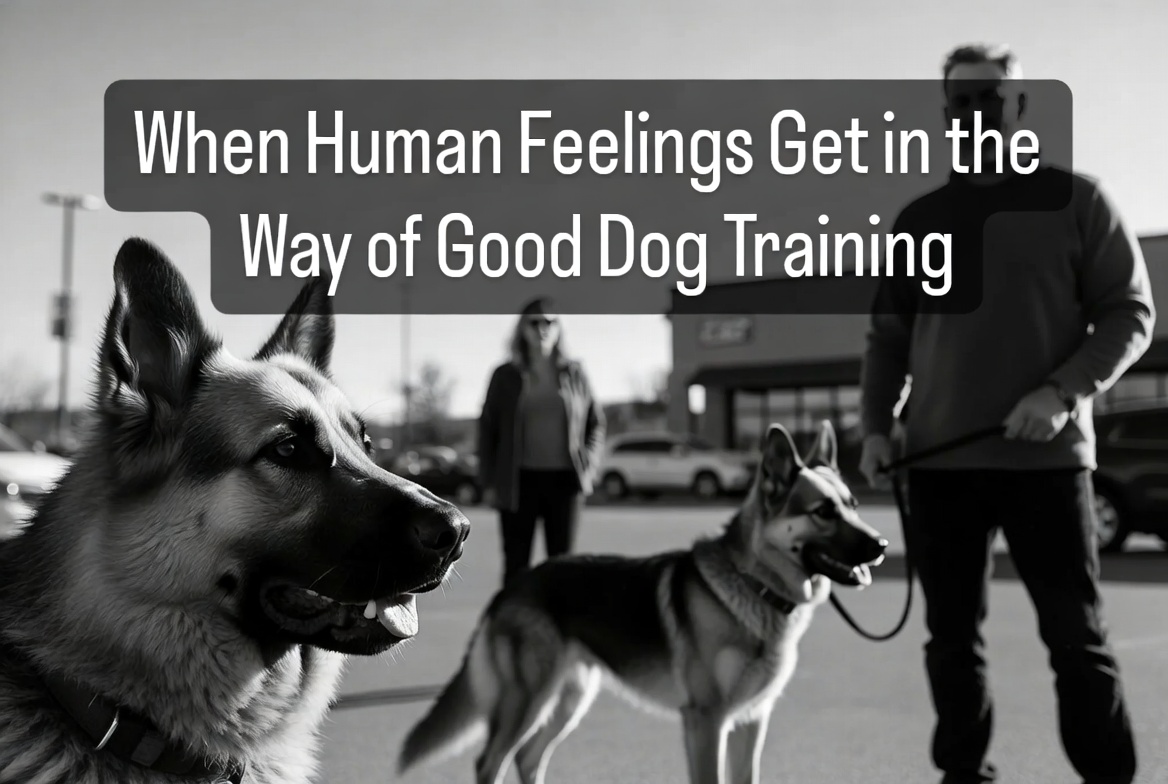
For a long time, dog training methods stayed straightforward. Trainers watched dogs, learned what they actually needed, and gave them structure, clear communication, and leadership. Dogs are social predators — they thrive with rules, consequences, and someone who shows them the way. Then, about thirty years ago in places like the Bay Area, the field began to shift. People sold the change as more compassion and sensitivity, but it pulled human emotions, new language, and public judgment into a profession that once focused on results.
How Language Changed the Game
The language changed first. “Dog owner” became “dog guardian.” This shift from dog owner vs dog guardian sounded nicer, but it altered how people viewed their role. Instead of teaching the dog how to succeed in our world, owners began protecting the dog from any stress or correction. Soon, anything that caused even mild discomfort earned the label of cruel or traumatic.
Once the language changed, the methods followed. Trainers felt growing pressure to use only approaches that looked gentle and positive to bystanders — even when those methods failed to solve the dog’s problems. This is where positive only dog training often falls short. Anyone who used a technique that worked but didn’t look soft enough to the average passerby faced public criticism.
When Public Judgment Takes Over
I’ve watched this play out in real life. One morning in Lake Havasu, I worked with a client and their dog in a Home Depot parking lot early in the day. The asphalt stayed cool — it wasn’t hot yet. We practiced normal, real world dog training. Suddenly a bystander yelled that I was being cruel because the ground would heat up later. They never asked about the actual temperature, how long we had been there, or what the dog’s body language showed. They simply projected their own story onto the situation and jumped straight to accusations. Their outburst put the client in an awkward spot and turned the session into a spectacle about feelings instead of training the dog.
This kind of interference happens more than it should. Public judgment in dog training from people with strong opinions but little hands-on experience creates real pressure. Good trainers begin avoiding public sessions or second-guessing techniques that have worked for years. As a result, the dog receives less real-world exposure and fewer tools to handle everyday life.
Why Dogs Need Structure
Here’s the core issue: Dogs are not humans. They do not process the world through our moral rules, and they do not need us to shield them from every challenge. They respond to clarity, consistency, and consequences. A well-timed correction often teaches more than ten minutes of coaxing and bribing. Most dogs feel more secure with clear rules than with a permissive setup that never enforces anything. This is exactly why dogs need structure.
When we let our own discomfort with “looking mean” drive the training, dogs pay the price. They grow confused, their issues remain unresolved, and they miss out on proper socialization. I’ve seen this especially with high-drive or working-line dogs — the soft, one-size-fits-all approach often fails, and then people blame the dog instead of the method.
The Real Cost of Soft Approaches
You can see the downstream effects clearly:
- Owners keep dogs home more often to avoid confrontations, so the dogs never learn to handle new places, sounds, or other animals. That leads to more fear and reactivity later.
- Trainers dilute their methods to stay out of trouble, so real behavior problems stay unfixed.
- Experienced trainers pull back from public work. Practical knowledge begins to fade.
- In the worst cases, dogs with solvable problems end up surrendered or euthanized because the gentle path failed and people now label them unmanageable.
The bigger problem is that real expertise gets pushed aside. Dog training rests on observable principles — how dogs learn, how they behave, and what actually works. When authority shifts to whoever shouts loudest on social media or in the parking lot, standards drop. The popular approach gets reinforced while anything different faces attack.
Balanced Dog Training Puts the Dog First
I’m not saying trainers should be harsh or ignore a dog’s well-being. The opposite is true. But we must recognize the difference between protecting a dog’s actual welfare and projecting our own emotional needs onto them. Dogs need competent guidance that respects who they are, not training designed to make the handler or the bystanders feel better. This is the heart of balanced dog training.
If we want dogs that can live successfully with us — calm, reliable, and confident in real situations — we must focus on what the dog needs. Dog training results matter more than how the work looks to someone who doesn’t understand the context. After decades of doing this work, I’ve seen too many dogs struggle because we got sidetracked by the wrong priorities.
The shift started gradually with language and social pressure. Turning it around requires drawing a clear line between genuine welfare concerns and letting human feelings dictate what dogs are allowed to experience. Dogs do best when we give them clarity instead of comfort.